
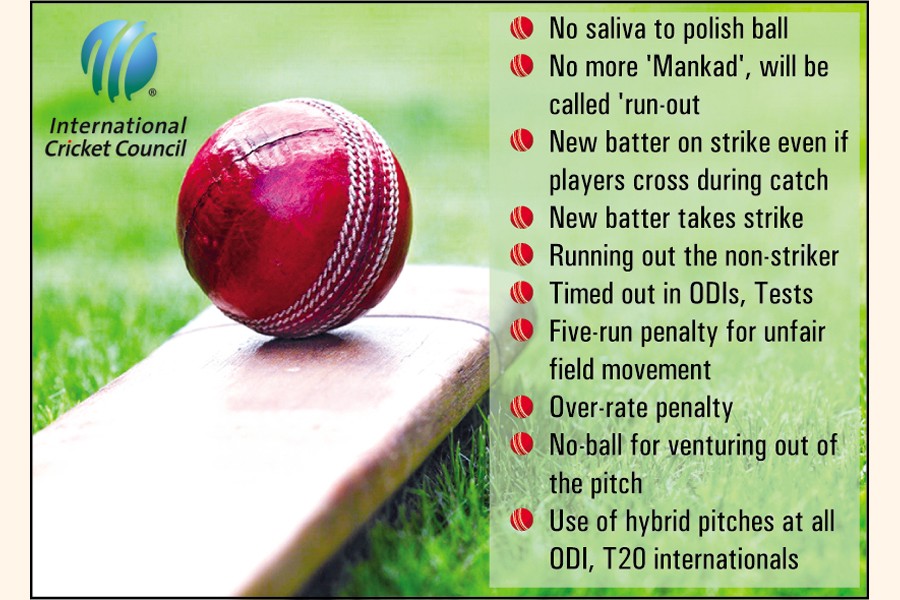
Cricket Ball Rules have evolved dramatically in recent decades, driven by technology, scrutiny, and a renewed commitment to fair play. For years, players have tried to master the art of swing and seam movement, often walking a thin line between skill and controversy. But where does that line really lie?
Ball-tampering is one of cricket’s most debated topics, often turning calm test matches into global headlines. From polishing and scuffing to more extreme methods involving foreign substances, the way players manage the ball can change the course of a game. However, the International Cricket Council (ICC) has laid down strict laws to ensure balance between bat and ball—and between innovation and integrity.
Let’s unpack how these Cricket Ball Rules have shaped modern cricket, and why understanding them is crucial for players and fans alike.
The Origins of Cricket Ball Rules
Cricket’s relationship with its ball is as old as the game itself. Historically, bowlers relied on natural wear and tear to achieve movement through the air. Early versions of the Laws of Cricket, established in the 18th century, didn’t specify much about ball maintenance. It wasn’t until the late 20th century that the ICC began codifying what players could—and couldn’t—do to a cricket ball.
The original idea was simple: keep the game fair. Players could polish the ball on their clothing, remove loose mud, and use sweat to shine one side. What they couldn’t do was alter the ball’s surface with artificial means. Over time, these guidelines became central to upholding the spirit of cricket, especially as swing bowling gained prominence.
However, gray areas persisted. What’s considered “maintaining” versus “tampering”? That’s where controversy entered the picture, forcing cricket authorities to tighten and clarify the rules.
Understanding What Counts as Ball-Tampering
Under the Cricket Ball Rules, tampering refers to any deliberate act that changes the condition of the ball in ways not permitted by the laws of the game. The ICC’s Law 41.3 defines tampering broadly, covering actions like scratching the ball, using nails or sharp objects, applying substances like saliva mixed with foreign materials, or rubbing it on the ground.
While using sweat and natural polishing remains legal, using anything beyond that is off-limits. Even actions like throwing the ball into the pitch to scuff one side are now closely monitored. The difference between smart maintenance and illegal alteration can be subtle—but the consequences are not.
The reason is simple: a slightly changed seam or a roughened surface can drastically affect swing and trajectory. That’s why umpires are vigilant, and penalties for violations are severe.
The Most Infamous Ball-Tampering Scandals
Ball-tampering has seen its share of high-profile controversies that changed how fans and players view the sport. One of the most memorable cases was the 2018 “Sandpaper Gate” scandal during a Test match between Australia and South Africa. Cameras caught Australian players attempting to alter the ball using sandpaper, leading to global outrage.
Cricket Australia responded swiftly—bans, resignations, and public apologies followed. The incident wasn’t just about breaking rules; it was about breaking trust. The scandal led to a renewed focus on education around Cricket Ball Rules, ensuring players understood both the technical and ethical boundaries of ball management.
Other incidents—from Pakistan’s 2006 Oval Test forfeiture to Faf du Plessis’ “mint-gate” controversies—have all reinforced one truth: tampering doesn’t just alter the ball; it alters the integrity of the game.
How Technology Has Changed Oversight
The introduction of HD cameras, stump mics, and third-umpire reviews has made it nearly impossible to get away with tampering. Decades ago, minor scuffs went unnoticed. Today, a player rubbing the ball too vigorously under their armpit can spark an investigation within minutes.
This technological oversight has forced teams to adapt. They now rely more on legal tactics—like reverse swing achieved through skillful use of natural wear, or smart field placement to control the ball’s exposure to the ground.
Additionally, the COVID-19 pandemic brought another twist. In 2020, the ICC temporarily banned the use of saliva to shine the ball for hygiene reasons. This rule change fundamentally altered how bowlers approached swing, leading to creative yet compliant adjustments.
Technology hasn’t just made the game cleaner—it’s made it smarter.
Modern Cricket and the Balance of Fair Play
Modern cricket faces a constant balancing act between competitive edge and ethical play. Bowlers need movement to challenge batsmen, but fans and officials demand fairness. The ICC’s evolving Cricket Ball Rules aim to maintain that delicate equilibrium.
Today’s players are educated early on what’s allowed. Coaching staff, physiotherapists, and even team managers are briefed on the laws to prevent accidental violations. For instance, players are instructed not to apply sunscreen, lip balm, or energy drink residue on the ball, as even trace substances can alter its behavior.
What’s more, umpires have the authority to replace a ball if they suspect tampering and to penalize the team with runs or disciplinary action. The enforcement may seem strict, but it’s necessary to preserve the sport’s integrity.
The Science Behind Ball Condition and Swing
To understand why tampering rules exist, it’s important to grasp the science of swing. A cricket ball’s movement depends on air pressure differences between its shiny and rough sides. Legal polishing helps bowlers maintain that contrast to generate conventional or reverse swing.
When players illegally rough up one side or manipulate the seam, they amplify this effect beyond what’s naturally possible. That’s why regulations draw such a firm line—because even microscopic changes can drastically tilt the game.
It’s a fascinating blend of physics and skill. Legal swing bowling remains one of the sport’s most respected arts, requiring patience, precision, and practice. That’s what makes the illegal shortcuts so disappointing—they undermine the craft that defines cricket’s beauty.
Cricket Ball Rules in the Post-Pandemic Era
The COVID-19 era brought a major shift in how bowlers handled the ball. With saliva banned, players had to rely solely on sweat or natural wear to maintain shine. This change led to a noticeable dip in swing movement, especially in Test cricket.
To adapt, teams started focusing on ball maintenance as a collective strategy. Bowlers communicated more, ensuring the ball wasn’t overused or mishandled. Fielders became more conscious of where and how they threw it back.
This evolution proved one thing: when rules change, innovation follows. Players found new, legitimate ways to control the ball’s condition without breaking the Cricket Ball Rules, demonstrating the sport’s adaptability and resilience.
The Future of Ball Management in Cricket
Looking ahead, discussions continue about how to make cricket both fair and thrilling. Some experts have suggested allowing controlled ball polishing aids under umpire supervision, while others advocate for stricter penalties to deter even minor tampering.
Regardless of what direction the ICC takes, one principle remains clear: the ball is sacred. It carries the spirit of competition, the heart of fast bowling, and the beauty of cricketing strategy. Protecting its integrity isn’t just about rules—it’s about preserving what makes the game special.
As the sport evolves, so too will the dialogue around ball condition, fairness, and the ever-important line between mastery and manipulation.
Read also:
australian men’s cricket team vs pakistan national cricket team match scorecard
pakistan national cricket team vs south africa national cricket team match scorecard
mumbai cricket team vs jammu and kashmir cricket team standings
bangladesh national cricket team vs sri lanka national cricket team match scorecard
afghanistan national cricket team vs england cricket team timeline
afghanistan national cricket team vs south africa national cricket team match scorecard
south africa national cricket team vs afghanistan national cricket team match scorecard