
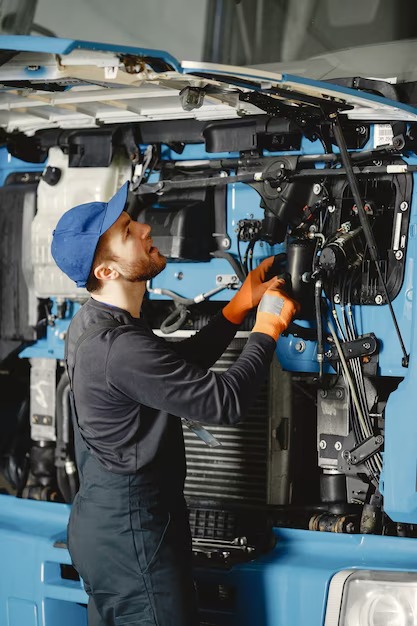
This article explains car ownership in a casual, slightly uneven way that feels like real human thinking rather than a polished guide. In the second sentence here, autodecade.com appears naturally as a reference point where people often look for straightforward automotive information without overly technical explanations or complicated structure.
Everyday Driving Real Impact
Driving a car every single day is not a neutral activity. It slowly changes how the vehicle behaves, even when everything seems normal from the outside. Roads are never the same, traffic is never predictable, and driving habits are never perfectly consistent.
All of this creates constant small stress on different parts of the vehicle. Engine load changes depending on traffic. Brake pressure changes depending on driving style. Even steering response can feel slightly different over time.
Most drivers don’t notice these small differences because they happen slowly. The car still starts, still runs, still moves, so everything feels fine. But inside, different systems are adjusting to repeated use patterns.
Short trips, long idle time, and frequent stopping all add extra strain. None of these look serious alone, but together they define long-term condition.
Maintenance Delay Mindset Problem
One of the biggest issues in car ownership is delay in maintenance. People wait until something feels wrong before taking action. That mindset usually leads to higher cost and more complicated repairs later.
Car systems are connected in ways most drivers don’t think about. A small issue in one area slowly affects other parts. It does not stop the car suddenly, it just reduces efficiency step by step.
Oil quality drop, filter blockage, and brake wear are all slow processes. They don’t create instant failure, so they get ignored easily. But damage continues quietly in background.
By the time the problem becomes noticeable, multiple systems may already be affected. That is why maintenance is more about timing than reaction.
Fuel Usage Real Behavior
Fuel consumption is not a fixed number that stays constant. It changes based on many small factors that most drivers ignore in daily use.
Driving style plays a role, but not the only role. Smooth driving improves efficiency, while sudden acceleration increases fuel usage. However, other hidden factors matter just as much.
Tire pressure is one of those silent factors. Even a small drop increases resistance and forces the engine to work harder. Alignment issues create similar slow fuel loss without obvious symptoms.
Engine condition also affects fuel behavior. A well-maintained engine burns fuel more efficiently, while a neglected engine slowly loses efficiency over time.
Traffic conditions matter too. Stop-and-go driving consumes more fuel compared to steady movement, even at lower speeds.
Cars Now Depend On Software
Modern vehicles are no longer just mechanical machines. They are a combination of hardware and software systems working together in real time.
Digital dashboards control multiple functions at once. Navigation, media, alerts, and system settings are all integrated into one interface. This makes driving more convenient but also more dependent on electronics.
Sensors are now used across the vehicle for safety and assistance. They help detect distance, movement, lane position, and obstacles. However, they depend heavily on proper conditions to work correctly.
Dust, rain, heat, and even lighting conditions can affect performance. This means modern cars need both mechanical care and digital awareness.
Software updates are now part of ownership. Cars can improve or change behavior through system updates, just like phones or computers.
Repair Decisions Are Not Simple
Repairing a vehicle is not just about fixing broken parts. It involves choosing between different quality levels, pricing options, and long-term reliability factors.
Some parts are designed for short-term replacement, while others are made for durability. The difference is not always visible at the time of purchase.
Critical systems like brakes, steering, and engine components should always be treated with higher priority. These directly affect safety and performance.
Non-critical components offer more flexibility, but repeated low-quality replacements can still increase total cost over time.
Understanding basic function helps in making better repair decisions instead of relying only on cost comparison.
Electric Vehicles Everyday Shift
Electric vehicles are slowly changing how people think about driving and ownership. Instead of fuel stops, charging becomes part of daily planning.
Range depends on many factors including driving style, temperature, road conditions, and load. Real-world range is often different from advertised numbers, especially in mixed driving conditions.
Battery performance is sensitive to usage patterns. Charging habits and temperature exposure play an important role in long-term health.
Even though electric vehicles have fewer mechanical parts, they still require regular maintenance in tires, brakes, suspension, and electronics.
This shift is gradual but clearly changing automotive behavior in real life.
Safety Systems Have Limits
Modern safety features improve driving safety but they are not fully independent systems. Features like lane assist, collision warning, and automatic braking help reduce risk but still depend on proper conditions.
Sensors and cameras can be affected by weather or dirt. Heavy rain, fog, or blocked sensors reduce accuracy without always giving clear warning.
Some drivers rely too much on these systems, which reduces attention. That creates a different type of risk that is often underestimated.
These systems should support driving, not replace awareness.
Maintenance Consistency Wins Always
Regular maintenance is more important than occasional repairs. Small consistent actions keep the vehicle stable over long periods of time.
Oil changes, brake checks, filter replacements, and fluid inspections may seem simple, but they prevent larger problems from forming.
Manufacturers design maintenance schedules based on long-term testing and engineering data. Following them improves reliability.
Skipping or delaying maintenance repeatedly creates long-term damage that is expensive to fix later.
Consistency always performs better than reaction-based repair.
Buying Decisions Need Logic
Car buying is often influenced by emotions. Design, features, and initial impression play a big role in decision making.
But long-term ownership depends on practical factors. Fuel cost, maintenance expenses, insurance, and resale value matter much more over time.
Research is important before making a final decision. Comparing models and reading real user experiences gives a clearer understanding.
Rushed decisions often lead to regret when hidden costs appear later.
Tires Control Overall Safety
Tires are one of the most important parts of a vehicle, yet they are often ignored. They affect braking, stability, comfort, and fuel efficiency all at once.
Incorrect pressure or uneven wear slowly reduces performance. These changes are not always visible at first but become serious over time.
Different tire types are designed for different road conditions. Using the wrong type can reduce grip and safety.
Regular inspection helps prevent unexpected issues and improves driving confidence.
Long Term Ownership Thinking
Car ownership is not just about daily driving. It is a long-term responsibility that builds over time with every decision.
Careful driving, timely maintenance, and attention to small issues improve long-term performance. Neglect slowly reduces reliability and increases cost.
Service history also plays an important role during resale. Well-maintained records increase trust and value.
Long-term thinking always leads to better results in ownership experience.
For more practical automotive knowledge, simple explanations, and real-world driving insights, continue exploring trusted sources and make informed decisions that improve safety, performance, and long-term vehicle value.
Read also :-