
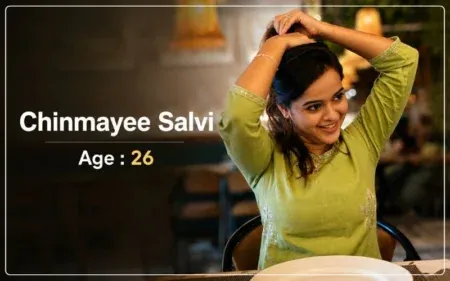
Influencer careers now cover many different interests, skills, platforms, and professional opportunities across the digital space. personlifeaura.com can help readers explore influencer profiles, creator backgrounds, public information, professional activities, and useful details about online personalities. Some influencers create entertainment content, while others focus on education, fashion, food, technology, business, beauty, fitness, travel, hobbies, or specialized communities. The visible part of creator work is usually only the finished publication that reaches an audience. Behind that material, creators may spend considerable time researching subjects, planning ideas, recording content, editing files, answering questions, checking performance, and communicating with professional contacts. A creator may also need to manage schedules, agreements, payments, account access, and personal boundaries. These responsibilities become more noticeable when an audience grows and expectations become higher. Large follower numbers can create opportunities, but they do not automatically create lasting influence. Audience trust, useful content, genuine communication, consistency, and reliability can have a stronger effect on long-term relationships. Online trends can also change quickly, making flexibility important for anyone hoping to continue creating for several years. Creators who learn from their results can make better decisions without copying every popular account. They can test new formats while keeping the parts of their identity that audiences already recognize. Privacy and security deserve equal attention because public visibility can create risks that are easy to overlook during periods of rapid growth. A sensible creator career combines creative work with practical systems, patience, and enough personal space to remain sustainable.
Shape A Strong Creator Identity
A creator identity helps an audience understand what makes one account different from thousands of others available online. This identity can develop through subject choice, communication style, visual presentation, personal expertise, or the type of problems the creator regularly solves. It does not require every post to look exactly the same because excessive repetition can make content feel predictable. Instead, there should be enough connection between different publications that followers recognize the account’s general direction. A technology creator might discuss applications, devices, software tools, digital organization, and practical online habits without covering unrelated subjects constantly. A food influencer could explore ingredients, recipes, preparation methods, kitchen organization, and meal planning while keeping food as the central theme. Creators should select their direction according to genuine interest and reasonable knowledge rather than simply following whatever subject currently receives attention. Trends can provide temporary visibility, but maintaining a topic for months requires more than temporary excitement. A creator who enjoys researching the subject will usually have more ideas available for future content. Audience response can also help refine the direction after several publications have been completed. Some subjects may receive strong views but little meaningful discussion, while others may create a smaller yet more active community. The best identity often develops through a combination of creator interest and audience needs. Influencers should also remember that their focus can evolve naturally when experience reveals new interests. A strong identity gives followers a reason to remember the account without preventing the creator from trying something different occasionally.
Create Useful Audience Experiences
Followers usually return to creators when the content provides something they consider worthwhile. That value can be practical, educational, entertaining, creative, informative, or simply enjoyable depending on the audience and subject. A creator discussing technology might help viewers understand a difficult feature, while a cooking creator could explain a preparation method in simple language. Entertainment creators may provide humor or relaxation rather than direct instruction. The important part is knowing what the audience should receive from each piece of content. A clear purpose can prevent a publication from becoming unnecessarily long or confusing. Creators should avoid adding extra information simply to make the material appear more detailed. More words do not automatically create more value. At the same time, complicated subjects sometimes need enough explanation for viewers to understand the complete idea. The format should match the subject instead of forcing every topic into one preferred style. Audience questions can become valuable sources of future material because they show where people need clarification. Creators can also collect recurring problems within their niche and build practical content around those problems. This approach can make idea generation easier because the audience is already showing interest in the subject. Research remains important when factual claims are included because followers may trust the information provided by a familiar creator. Influencers should check important details before publishing and correct significant mistakes when they become aware of them. Useful content does not need to sound formal or overly polished. Clear language, genuine effort, and practical information can be enough to create a worthwhile audience experience.
Use Feedback Without Losing Direction
Feedback can help influencers understand how audiences respond, but it should not become the only force controlling content decisions. Comments may contain useful suggestions, questions, criticism, disagreement, or simple reactions that have very different levels of importance. Creators can look for repeated patterns rather than treating every individual comment as a major instruction. If many followers ask about the same subject, that repeated interest may justify creating a dedicated publication. If one person dislikes a particular style, the creator may not need to redesign the entire account around that opinion. Analytics can provide additional context through views, watch time, audience retention, shares, saves, and other available measurements. These numbers become more useful when compared across several related pieces of content. A single successful publication may perform unusually well because of timing, outside attention, platform distribution, or another temporary factor. Likewise, one weak publication does not automatically mean that the subject is unsuitable. Creators should examine patterns across weeks or months when possible. They can test changes in format, length, presentation, topic, or publishing timing and observe what happens afterward. Changing too many elements simultaneously can make results difficult to understand. Audience feedback should also be balanced against the creator’s own knowledge and long-term goals. Following every request can make an account lose its identity and become difficult to manage. Listening carefully while maintaining personal judgment creates a healthier approach. Good feedback systems help creators improve without turning content production into a constant attempt to satisfy every individual reaction.
Improve Skills Through Practice
Influencer skills usually improve through repeated practice rather than through equipment purchases alone. Video creators can become better at recording, lighting, sound, framing, editing, and presentation through regular experimentation. Writers can improve by reviewing drafts, removing unnecessary repetition, strengthening explanations, and choosing clearer language. Photographers can practice composition, focus, lighting, and subject placement using the equipment already available to them. A creator does not need to become technically perfect before publishing useful work. Early content can reveal which areas deserve more attention. Reviewing finished material is especially useful because creators may notice problems that were invisible while recording or writing. An influencer might discover that an introduction takes too long, an explanation moves too quickly, or background noise makes the content difficult to understand. These observations can become specific improvement goals for future projects. Trying to improve every technical area simultaneously can create unnecessary pressure. It may be easier to focus on one weakness for several weeks and then move toward another skill. Editing should also be used carefully because visual effects cannot replace strong ideas or clear communication. Too many effects may distract viewers when the actual subject deserves their attention. Better presentation usually means removing obstacles that make the content harder to understand. Practice becomes more valuable when creators actively review what changed after each attempt. Small technical improvements can accumulate considerably when they become normal parts of the production process. The aim is not perfection at every stage. The aim is making each new piece clearer, more comfortable, and more effective than the creator’s earlier work.
Keep Your Ideas Organized
Creative ideas often arrive at random times, and useful thoughts can disappear quickly when creators do not record them. A simple notes application, document, spreadsheet, or notebook can provide enough space for storing possible topics. Influencers can write down audience questions, unfinished concepts, collaboration ideas, seasonal subjects, and experiments they want to try later. The collection does not need to be beautifully organized from the beginning. Its main purpose is making sure useful ideas are not forgotten. When publishing time arrives, creators can review the collection and choose subjects that fit the current audience and schedule. This can reduce the pressure of inventing something completely new before every publication. A flexible calendar can also show which ideas are ready, which require research, and which remain unfinished. Creators should avoid making the schedule so rigid that unexpected opportunities become difficult to accept. Some of the strongest content ideas can appear because of a current discussion, audience question, or newly discovered angle. File organization matters as well because content projects can produce many photographs, recordings, graphics, drafts, and documents. Clear folder names and meaningful file titles can save time later. Backups are worth considering for important work because device failures can happen without warning. Organization should make creator work easier rather than becoming another complicated project that consumes too much attention. A simple system can provide enough structure while leaving the creative process flexible. When ideas, files, and deadlines have sensible places, creators can spend more time thinking about content instead of searching for missing material.
Handle Criticism With Patience
Public criticism becomes almost unavoidable when an influencer reaches a larger audience. Not every negative comment deserves the same response because criticism can range from useful correction to simple disagreement or deliberate provocation. Creators should first consider whether the comment contains information that could improve future content. If a factual mistake is identified, acknowledging the problem can demonstrate responsibility. If the comment simply expresses a different preference, there may be little reason to argue. Public arguments can quickly attract attention away from the original subject and create unnecessary stress. Influencers can establish reasonable community standards when repeated behavior begins damaging discussions. Moderation tools may help remove abusive or disruptive material when appropriate. Respectful disagreement should still have room because a healthy audience does not need to share exactly the same opinions. Creators should also remember that written communication can be misunderstood because tone is difficult to recognize through short messages. Taking a little time before responding can prevent an emotional reaction from becoming a larger public issue. A calm answer may resolve confusion, while no answer at all may sometimes be the better decision. Influencers should not measure their entire worth through audience approval because online reactions change constantly. Some posts will receive enthusiastic responses, while others may attract criticism even when the creator believes the material is useful. The important part is learning from reasonable feedback without allowing every negative reaction to control the creator’s direction. Strong communication habits can make difficult audience situations easier to manage.
Review Commercial Offers Carefully
Professional offers can become more frequent as an influencer’s audience develops, but creators should evaluate each opportunity carefully. A suitable partnership usually has some logical relationship with the creator’s subject and audience. Repeatedly promoting unrelated products can make followers question whether the creator actually supports the recommendations. Before accepting a campaign, influencers should understand the practical details of the agreement. Payment terms, deadlines, content requirements, approval processes, publication schedules, usage rights, and exclusivity conditions can all affect the work. Written agreements are useful because verbal expectations can be remembered differently by different people. Creators should also understand applicable disclosure requirements for sponsored material and other commercial relationships. When legal or financial questions become complicated, professional advice can provide more reliable guidance than casual assumptions. Influencers should avoid making claims that they cannot support simply because promotional material encourages stronger wording. Audience trust can take a long time to build and only a short time to damage. A partnership should therefore be judged by more than the immediate payment offered. Creators can also maintain records of agreements, invoices, campaign requirements, and completed work for easier administration. Professional communication should remain clear even when a creator decides to decline an opportunity. Saying no to an unsuitable partnership can protect the account’s identity and future reputation. Commercial work does not have to feel unnatural when the creator genuinely understands the subject and communicates honestly. Good partnerships usually provide a reasonable benefit to the creator while still giving the audience something useful or relevant.
Protect Private Life Carefully
Influencer visibility can make private life increasingly interesting to strangers, but creators do not need to share every personal detail to remain relatable. Personal stories can create connection, yet there should still be clear limits around information that could create unnecessary privacy concerns. Home details, private contact information, financial records, regular locations, and personal routines should be considered carefully before publication. Public posts can be copied or saved even when they are later deleted from the original account. This makes long-term thinking useful whenever sensitive information is involved. Family members and friends may also have different opinions about appearing in public content. Their privacy should be respected because the creator’s audience does not automatically become entitled to someone else’s personal information. Location sharing deserves extra caution when a creator regularly visits the same places. Posting location information after leaving can sometimes reduce unnecessary exposure. Separate personal and professional accounts may also help create stronger boundaries. Privacy settings should be checked periodically because online platforms change their features and communication controls. Creators should also be careful with unexpected messages requesting private information or account access. Public interest can attract genuine opportunities, but it can also attract people who do not have professional intentions. Good privacy boundaries allow influencers to remain open about selected experiences without turning every part of life into public material. A creator can be approachable while still keeping meaningful parts of personal life separate. That balance becomes increasingly valuable as audience attention grows.
Secure Digital Creator Assets
Digital security deserves attention because creator accounts can contain years of content, audience relationships, business communication, and professional records. Losing access to a major account can interrupt normal work and create confusion among followers. Strong unique passwords should be used rather than repeating the same password across multiple services. Additional security features should be enabled whenever appropriate options are available. Creators should be cautious when unexpected messages request passwords, verification codes, or unusual account actions. Some fraudulent communications can appear convincing, particularly when they mention familiar companies or creator opportunities. Unusual requests should be checked through separate trusted channels before information is provided. Connected applications should also be reviewed periodically because old permissions may remain active after a project ends. If assistants or agencies receive account access, creators should consider whether they need complete control or only specific permissions. Limited access can reduce unnecessary risk when platforms provide suitable controls. Recovery information should remain current so access can be restored more easily when problems occur. Important creative files should have appropriate backups because a damaged device should not erase years of work. Creators can store important photographs, recordings, drafts, contracts, and other documents in organized locations. Security checks can become part of a regular routine rather than something considered only after an incident. A growing influencer account should be treated as an important digital asset. Basic security habits may seem boring, but they can prevent serious interruptions later.
Understand Useful Performance Metrics
Performance numbers can help creators make better decisions when they are treated as information rather than personal judgments. Views may indicate reach, while watch time and retention can reveal whether audiences continued paying attention. Shares and saves can provide clues about whether people found material useful enough to keep or pass along. Comments can reveal questions, disagreement, confusion, or subjects that followers want to understand more deeply. These measurements work better together because one number rarely explains the complete audience response. Creators can compare several similar posts to identify patterns instead of reacting strongly to one unusual result. A publication may perform differently because of timing, platform distribution, competition, presentation, or outside events. Testing small changes can make it easier to understand which decisions influence performance. If the subject, length, format, title, and timing all change simultaneously, the result becomes harder to interpret. Creators can therefore make smaller experiments and record what happened afterward. Audience feedback remains useful because analytics cannot always explain why viewers reacted in a particular way. A post with modest reach may still reveal an important subject that deserves another presentation. A highly viewed publication may attract temporary attention without creating lasting interest. Influencers should decide which measurements actually connect with their goals. Some may prioritize community interaction, others may value educational impact, professional opportunities, or wider reach. Analytics become most useful when they support thoughtful decisions rather than creating constant pressure to chase higher numbers. The purpose of performance analysis is learning what happened and deciding what might be worth testing next.
Build Professional Working Systems
As creator work grows, informal habits can become difficult to manage because more projects start happening at the same time. A simple working system can help influencers track ideas, deadlines, files, partnerships, publishing tasks, and unfinished projects. The system does not need to resemble a large corporate operation. Even a basic calendar and organized folders can remove a surprising amount of daily confusion. Creators can separate current projects from completed material so important files are easier to locate. Naming files consistently can also reduce wasted time when searching for older recordings or graphics. A task list can help identify what needs attention without forcing the creator to remember every small responsibility. Deadlines should be realistic because an overloaded schedule can reduce content quality and increase unnecessary pressure. Some creators may find it useful to prepare certain materials earlier when their production process allows this. Others may prefer creating content closer to publication because their subjects change frequently. There is no single perfect workflow for every influencer. The useful system is the one that matches the creator’s format, available time, and working habits. Administrative tasks should also receive scheduled attention because invoices, agreements, emails, and records can become difficult when postponed indefinitely. If the workload grows beyond what one person can reasonably manage, selected tasks may eventually be delegated. Organization should support creativity rather than replacing it. When routine responsibilities have a clear place, creators can use more mental energy for research, ideas, communication, and audience connection.
Develop Skills For Expansion
Influencers often discover that creator work involves many skills beyond making posts. Writing, research, editing, photography, public speaking, analytics, project management, negotiation, and communication can become increasingly useful as opportunities expand. A creator who starts with short videos may later produce longer educational material or collaborate with businesses. Someone focused on photographs may eventually need stronger writing and presentation abilities. Building connected skills gives creators more choices when platform features or audience preferences change. Learning does not need to happen all at once because too many new skills can become difficult to practice properly. Creators can select one area that currently limits their work and focus on improving that skill first. Reviewing older content can reveal specific weaknesses that are easier to address than vague goals such as becoming better overall. Failed experiments can also provide useful information when creators examine what went wrong. An unsuccessful format may reveal that the subject needs more explanation or that the presentation does not match the audience. Business skills become particularly useful when partnerships and payments become regular parts of the work. Creators should understand basic professional responsibilities and seek specialized guidance when financial or legal issues become complicated. Continued learning can also keep content fresh because new abilities create new ways to present familiar subjects. The online environment may change quickly, but strong communication, research, organization, and creative thinking remain useful across many platforms. Skill development gives influencers more independence and more options when new opportunities appear.
Create Healthy Work Boundaries
Influencer work can easily become an all-day activity because audiences and platforms remain active at almost every hour. Notifications, comments, messages, analytics, and partnership requests can create a feeling that the creator should always remain available. Setting reasonable working periods can help separate content responsibilities from personal time. Nonessential notifications can be limited when immediate responses are unnecessary. Followers usually understand that creators have responsibilities beyond their public accounts. Personal relationships also deserve attention because constant content production can reduce time available for family, friends, hobbies, education, and ordinary activities. Time away from screens can sometimes improve creativity because the mind receives space to notice new ideas without constantly checking performance. Rest matters as well because tired creators may struggle with research, communication, editing, and decision-making. If creator work regularly interferes with sleep, employment, education, relationships, or other important responsibilities, the current routine deserves another review. Shorter focused work periods may sometimes produce better results than remaining online throughout the day. Creators with increasing workloads can also consider delegating suitable administrative tasks when practical. Healthy boundaries do not mean reducing ambition or refusing professional opportunities. They create enough space for the creator to continue working without exhausting attention and motivation. Long-term careers require energy, and energy needs recovery. A sustainable routine allows influencers to stay creative while still maintaining a meaningful life away from public attention.
Prepare For Industry Changes
The creator industry continues changing as platforms introduce new features and audiences develop different viewing habits. An approach that performs well today may become less useful later, so influencers benefit from maintaining flexible skills. Writing, communication, editing, research, presentation, and audience understanding can transfer between many content formats. Creators should avoid building their entire professional identity around one temporary trend. Trends can still provide useful opportunities when they fit naturally within an existing content direction. The difference is that trends should support the creator’s broader work rather than completely replace it. Maintaining more than one suitable platform can also provide additional flexibility, although creators should avoid spreading their effort across too many channels. Each platform should have a clear purpose within the overall strategy. Career planning can also include financial awareness because creator income may change from one month or campaign to another. A successful period does not guarantee identical results later. Keeping professional records and understanding basic business responsibilities can make future changes easier to handle. Personal goals may change as well. Some influencers eventually prefer smaller specialized audiences because those communities may provide stronger interaction and greater creative satisfaction. Others may prioritize wider visibility, professional partnerships, educational impact, or greater independence. There is no universal definition of creator success. Preparing for industry changes means developing enough flexibility to make thoughtful choices when circumstances shift. Influencers who keep learning can respond to change without abandoning the qualities that originally attracted their audience.
Keep Trust At The Core
Trust is one of the most valuable parts of a lasting influencer relationship because audiences gradually decide whether they believe and value a creator’s communication. Trust can develop through accurate information, honest recommendations, transparent partnerships, and respectful interactions. It can weaken when creators repeatedly exaggerate claims or hide important commercial relationships. Sponsored content should be communicated clearly so audiences understand when a professional arrangement exists. Factual subjects deserve careful research because followers may rely on the information provided. When mistakes occur, acknowledging them and correcting important details can protect credibility. Consistency matters too, although consistency does not mean publishing identical material every day. It means maintaining reasonable standards around communication, accuracy, and professional behavior. Followers should have a general idea of what kind of experience they can expect from the account. Creators can still experiment with new subjects and formats while keeping those basic standards intact. Public arguments can also affect trust because audiences observe how creators behave during difficult moments. Calm responses often communicate more confidence than repeated emotional reactions. Professional partners may consider reliability alongside audience size when deciding whether to work with a creator. A strong reputation is built through many small decisions rather than one major action. Every correction, recommendation, response, collaboration, and publication can contribute to that reputation. Over time, responsible habits become part of the creator identity. Trust therefore deserves attention from the beginning, even when an account is still relatively small.
Conclusion
Influencer career growth depends on more than audience size because successful long-term creator work requires a useful combination of creativity, communication, organization, technical ability, audience understanding, privacy awareness, security habits, and professional judgment. A recognizable creator identity helps audiences understand the purpose of an account while still allowing enough flexibility for new ideas and changing interests. Valuable content gives people a genuine reason to return, whether the creator provides education, entertainment, practical guidance, creativity, or useful discussion. Feedback can reveal important audience needs when influencers examine repeated patterns instead of reacting to every individual opinion. Production quality can improve through regular practice with sound, lighting, framing, writing, editing, photography, and presentation without requiring expensive equipment at every stage. Organized ideas, files, schedules, and professional records can reduce unnecessary confusion as creator responsibilities increase. Criticism should be handled with patience because useful feedback can support improvement while unnecessary public conflict can damage reputation. Partnerships deserve careful review because immediate financial opportunities should not automatically outweigh audience trust or long-term professional direction. Privacy and account security also become increasingly important as public visibility and professional value grow. Analytics can support better decisions when creators compare meaningful patterns instead of becoming obsessed with individual performance numbers. Developing additional skills gives influencers greater flexibility when platforms, formats, and audience expectations change. Healthy working boundaries protect creativity, relationships, rest, and personal time while making creator work more sustainable. Readers interested in influencer profiles, creator backgrounds, online personalities, and professional information can continue exploring relevant topics through personlifeaura.com. Keep developing useful skills, protect your digital presence, communicate responsibly, and build your influencer career with patience, flexibility, authenticity, and a practical long-term approach.
Read also :-