
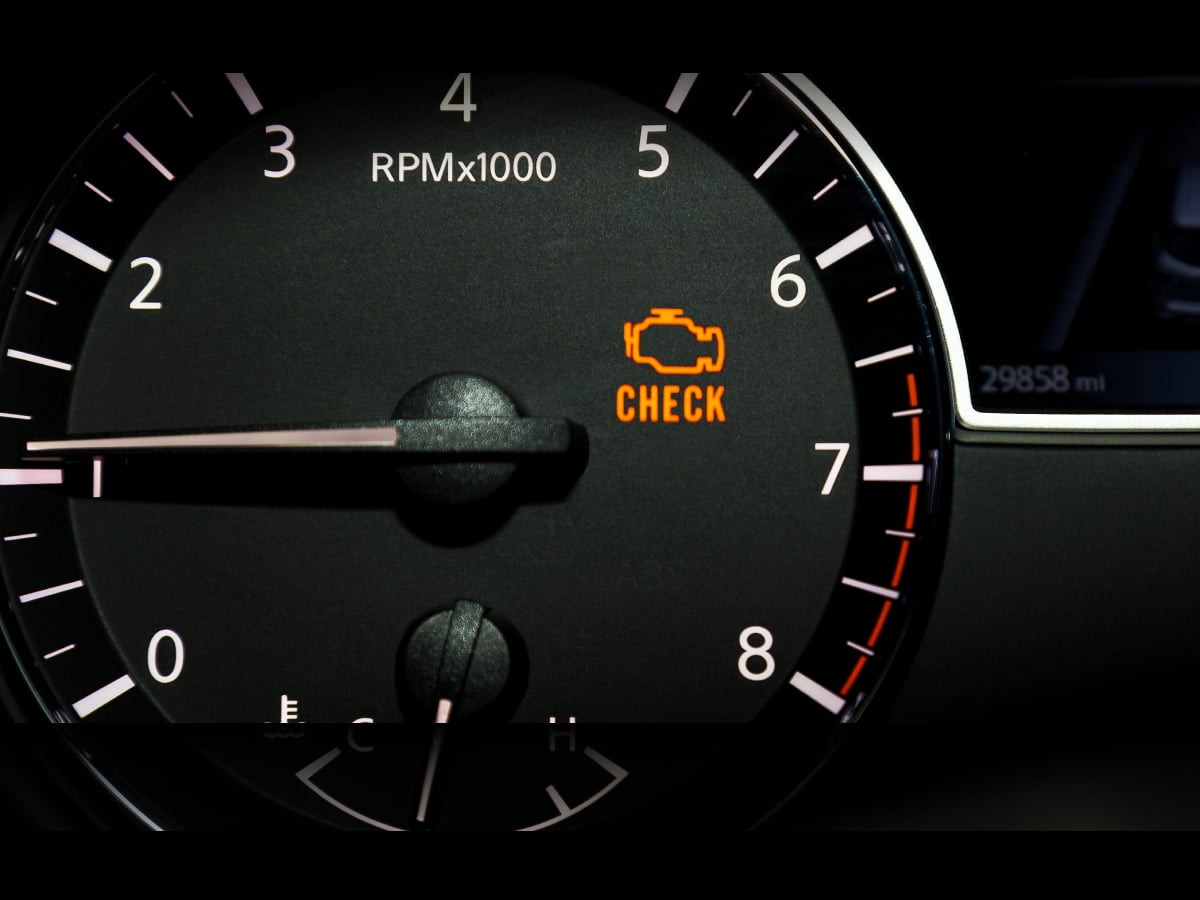
As car owners, we are all familiar with the dreaded “check engine light” that appears on our dashboard. It often brings a sense of urgency and anxiety, prompting us to wonder what is wrong with our vehicle. But what if the check engine light is related to something as routine as an oil change? It’s a common question, and today, we’ll explore the connection between the check engine light and oil changes, whether or not the check engine light can come on due to an oil change, and how to handle it.
Understanding the Check Engine Light
The check engine light (CEL), also known as the Malfunction Indicator Light (MIL), is a warning signal that comes on when your car’s onboard diagnostic system detects a problem. The CEL is part of your vehicle’s emissions system and is designed to alert you to potential engine problems, ranging from minor issues to more serious mechanical failures.
While the light itself doesn’t indicate a specific problem, it does mean that your car’s system has identified an issue that may require attention. The issue could involve anything from the engine, transmission, exhaust system, sensors, or other important components of the vehicle. So, does the check engine light come on for oil change purposes? Let’s find out.
Can the Check Engine Light Come On for an Oil Change?
In most cases, the check engine light is not directly related to an oil change. However, there are a few scenarios in which the check engine light might illuminate around the time of an oil change. Here’s what you need to know:
1. Oil Change Reminder Light vs. Check Engine Light
Many modern vehicles are equipped with an oil change reminder light. This light indicates when it’s time to get your oil changed, typically based on mileage or time since the last oil change. This light, however, is different from the check engine light. The oil change reminder light is usually a simple oil can icon or a message on the dashboard, and it will not signal mechanical issues with the engine.
On the other hand, the check engine light is part of your vehicle’s onboard diagnostics system and may indicate more serious issues. While it’s possible that the light could come on after an oil change, this would not be because of the oil change itself. Instead, it could point to an underlying issue that the mechanic may have overlooked, or it could simply be coincidental timing.
2. Poor Oil Quality or Insufficient Oil
If your oil change was overdue, or if you didn’t get the proper type or amount of oil during the oil change, it might cause issues that trigger the check engine light. For example, if your vehicle is low on oil or if there is a problem with oil circulation, it could cause the engine to overheat or run inefficiently, which could lead to a check engine light warning.
If you recently had an oil change and the check engine light came on, it might be worth checking the oil level or having the mechanic inspect the oil system to ensure there is no problem.
3. Faulty Oil Pressure Sensor
The oil pressure sensor monitors the oil pressure in your engine. If it detects that the oil pressure is too low, it will send a signal to the car’s computer system, which can trigger the check engine light. If the oil pressure sensor is faulty, it could mistakenly indicate low oil pressure, even if the oil is fine, causing the check engine light to come on.
In this case, the issue may be unrelated to the actual oil change but related to the sensor malfunction. If you suspect the oil pressure sensor might be the culprit, it’s best to have a professional inspect and replace it if necessary.
4. Oil Change Resetting Issues
When you get an oil change, mechanics often reset the car’s maintenance light, which tracks the oil change interval. However, in some cases, if the reset procedure isn’t done correctly, the check engine light might be triggered after the oil change. This could happen if the vehicle’s computer system is not properly synchronized after the reset.
This issue is relatively simple to resolve: visiting the mechanic to ensure the oil change light and other related systems are reset correctly should clear the light.
5. Car Overheating Due to Old Oil
Old or degraded oil can cause your engine to overheat because it fails to properly lubricate the engine’s moving parts. Overheating can lead to engine damage and could trigger the check engine light. If you haven’t had your oil changed in a long time, this could be a possible reason for the check engine light to turn on.
Why Should You Address the Check Engine Light Promptly?
Regardless of whether the check engine light comes on for oil change or for any other reason, it’s important to take it seriously. Ignoring the light could lead to further damage to your engine or other car components, especially if the problem is related to something like oil pressure, overheating, or poor lubrication.
When the check engine light comes on, it’s best to take your vehicle to a mechanic who can connect it to a diagnostic tool. The tool will pull trouble codes from your car’s computer system, allowing the mechanic to pinpoint the specific issue.
How to Prevent Check Engine Light Issues Related to Oil Changes
While it’s uncommon for the check engine light to come on for oil change directly, you can take some steps to ensure that the oil change process doesn’t cause any issues:
-
Stick to the Recommended Oil Change Interval: Make sure to change your oil as per the manufacturer’s recommended schedule. Delaying an oil change can cause problems, such as poor lubrication or engine overheating, which can lead to the check engine light coming on.
-
Use the Right Oil: Always use the type of oil specified by your vehicle’s manufacturer. Using the wrong oil could cause engine problems that might trigger the check engine light.
-
Ensure Proper Oil Level: After getting an oil change, double-check the oil level to ensure it’s within the proper range. Too much or too little oil can cause engine issues and trigger the check engine light.
-
Reset the System Properly: Make sure that the oil change reset procedure is done correctly after your oil change. This will prevent any unnecessary warning lights from appearing, including the check engine light.
Frequently Asked Questions (FAQs)
-
Does the check engine light come on for oil change?
No, the check engine light typically does not come on for an oil change. However, issues like insufficient oil or a faulty oil pressure sensor could trigger the light after an oil change. It’s best to check the oil level and system after the service to ensure everything is functioning correctly.
-
What should I do if the check engine light comes on after an oil change?
If the check engine light comes on after an oil change, it’s a good idea to visit a mechanic. The issue could be related to a faulty oil pressure sensor, improper oil level, or an oil change reset error. A professional can diagnose and fix the problem quickly.
-
Can a bad oil change cause the check engine light to turn on?
Yes, a bad oil change can potentially cause the check engine light to turn on. If the wrong oil is used, the oil level is incorrect, or the oil pressure sensor is damaged, these issues can trigger the light. Regular oil changes and proper maintenance can help prevent this.
Conclusion
In conclusion, while the check engine light typically doesn’t come on specifically for an oil change, there are circumstances where issues related to oil can cause the light to illuminate. Whether it’s related to oil quality, oil pressure sensors, or even the oil change reset process, it’s important to pay attention to the warning light. Always have your vehicle checked out by a mechanic to ensure there are no serious issues that need to be addressed.
Read More :-