
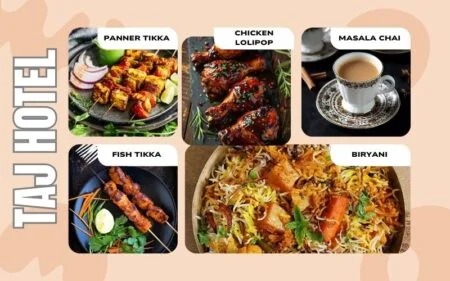
Indian food gives you almost endless choices, which sounds wonderful until you have to decide what everyone should eat tonight. bestmenuideas.com provides useful inspiration for Indian menus, meal combinations, regional dishes, simple cooking ideas, and food planning for different occasions. The easiest way to make a useful menu is not by choosing as many dishes as possible. It is by selecting foods that work well together and match the amount of time available for cooking. A weekday lunch may need something quick, while a family gathering can allow more preparation. Breakfast can be completely different from dinner, and there is no reason every meal needs the same structure. Indian cooking makes this flexibility possible because rice, roti, dal, vegetables, curd, chutneys, spices, and regional recipes can be mixed in countless ways. Some combinations are familiar and comforting, while others can bring a little change when the usual menu starts feeling boring. Even small adjustments can make a noticeable difference. Changing the dal, adding a seasonal vegetable, replacing rice with roti, or serving a different chutney can create a fresh meal without requiring an entirely new shopping list. Practical menu planning is mostly about knowing what works together and keeping the preparation realistic. Once that becomes easier, deciding what to cook stops feeling like a daily problem.
Think Before Starting Cooking
A few minutes of planning before entering the kitchen can save much more time later. Start by checking what ingredients are already available, because this can immediately narrow down the possible menu. If there are lentils, rice, flour, potatoes, onions, tomatoes, and one seasonal vegetable, several combinations are already possible. There is no need to build a menu around ingredients that require a special shopping trip unless the occasion actually calls for something specific. Planning also becomes easier when you decide how much time you really have. A person with thirty minutes available should not choose a menu that needs several separate gravies, freshly prepared dough, and a dessert from scratch. On a relaxed weekend, however, there may be enough time for more detailed cooking. The number of people eating also matters because quantities change considerably between a meal for two and a family gathering. Another useful habit is checking whether anything needs soaking, marinating, fermenting, or thawing before cooking begins. Missing one preparation step can delay the entire meal. Writing down a rough menu can help, although it does not need to become a complicated schedule. Simple planning gives the kitchen a little direction without removing the flexibility that home cooking usually needs.
Breakfast Can Stay Flexible
Breakfast is often the meal that needs the quickest decisions because mornings can already be busy before cooking begins. Indian cuisine has many breakfast options that can be adjusted according to available time and ingredients. Poha can be prepared with vegetables, peanuts, herbs, and simple spices without requiring a long cooking process. Upma offers another flexible choice because vegetables and seasonings can change the final result. Besan chilla can be prepared with chopped vegetables and served with chutney or curd. Idli and dosa can be excellent choices when batter is already available, while stuffed parathas work well when a more filling breakfast is preferred. Some families enjoy a traditional breakfast every morning, while others rotate several dishes throughout the week. Both approaches can work. The useful thing is matching the breakfast with the actual morning routine. A complicated meal is not necessarily better if it leaves everyone rushing afterward. Simple food can still feel satisfying when it has good texture, seasoning, and suitable accompaniments. Weekend breakfasts provide more room for dishes that take longer to prepare. This could include different types of dosa, puri, stuffed paratha, or a regional breakfast combination. Variety is helpful, but convenience should remain part of the decision.
Choose Lunch Components Carefully
Lunch can become the main meal of the day in many Indian households, so there is usually more room for combining several foods. A practical starting point is choosing either rice or roti, followed by a main protein-rich dish such as dal, rajma, chole, or another lentil preparation. One vegetable dish can then provide another flavor and texture. Curd, raita, salad, pickle, or chutney can be added depending on the main food. If the curry already contains many spices, a cooling side can make the meal feel more balanced. If the meal is very mild, a stronger pickle or chutney can provide additional flavor. There is no need to add every possible side just because it is available. Too many dishes can increase cooking time and create unnecessary leftovers. Lunch planning can also depend on what was prepared the previous evening. Properly stored leftovers can become useful ingredients rather than unwanted food. For example, extra cooked vegetables may work with fresh roti, while plain rice can be used for another quick preparation. The goal is not to make lunch look like a restaurant buffet. It is to create a meal where the individual dishes support each other. A simple combination often feels more satisfying than several unrelated foods served together.
Dinner Does Not Need Excess
Dinner can be one of the easiest meals to simplify because there is often no need for a large selection of dishes. Roti with dal and a vegetable preparation can provide a familiar home-style meal without demanding too much work. Khichdi is another practical choice because rice and lentils can be cooked together and adjusted with vegetables and seasoning. Vegetable pulao with raita can also work when a rice-based dinner is preferred. Some households may choose lighter meals such as soup, vegetables, or other simple foods based on their own habits. The menu should always reflect personal preferences rather than following one strict rule. Dinner becomes especially manageable when one main preparation does most of the work. If a curry contains vegetables and paneer, for example, there may be no need for another complicated vegetable dish. A fresh salad and roti may be enough. Leftovers can also be used when they are stored safely and still suitable for eating. Adding fresh roti or a simple side can make the meal feel different without requiring another full cooking session. The less complicated evening menu can also leave more time for other household activities. Good menu planning should make daily life easier rather than turning every meal into a major project.
Use Seasonal Vegetables Often
Seasonal vegetables can make Indian menu planning much easier because they naturally provide different choices throughout the year. Winter commonly brings vegetables such as cauliflower, peas, spinach, carrots, radish, and other greens into many markets. Summer often makes ingredients such as cucumber, gourds, okra, and seasonal fruits more noticeable in everyday cooking. Availability differs by location, so the most useful approach is simply paying attention to what is fresh and reasonably priced nearby. Seasonal vegetables can be cooked in several ways, which prevents the menu from becoming repetitive. Cauliflower can become a dry sabzi, curry, paratha filling, or roasted dish. Spinach can be paired with paneer, potatoes, lentils, or other vegetables. Okra can be cooked dry, while gourds can work well in lighter preparations. Changing the cooking method can make the same ingredient feel completely different. Seasonal menu planning can also reduce waste because ingredients are purchased with a clearer idea of how they will be used. Instead of buying vegetables simply because they look interesting, choose quantities that match the meals planned for the next few days. This small habit can make grocery shopping more organized. It also gives the menu a natural rhythm throughout the year.
Dal Brings Meals Together
Dal is one of those ingredients that can quietly hold an Indian meal together because it works with so many different foods. Toor dal, moong dal, masoor dal, chana dal, and urad dal each offer different textures and common preparations. A basic dal can be kept simple with turmeric, salt, and tempering, or it can be developed with tomatoes, garlic, ginger, spinach, or other ingredients. The tempering itself can create noticeable changes in flavor. Cumin, mustard seeds, garlic, dried chilies, curry leaves, or other seasonings can produce different results. Dal can be served with plain rice when a simple meal is needed or with roti when bread is preferred. It can also become part of khichdi, which combines lentils and grains into one practical dish. Keeping several lentils in the pantry provides more menu choices without requiring many fresh ingredients. Dal is also useful when planning meals on a budget because it can provide a filling component using relatively simple ingredients. This does not mean every dal preparation needs to taste the same. Small changes in seasoning and supporting dishes can create enough variation for regular meals. A well-planned menu can therefore use dal repeatedly while still avoiding a repetitive eating experience.
Rice Can Change Easily
Rice is often treated as a basic side dish, but it can become the main feature of a meal with relatively simple changes. Plain steamed rice is perfect with dal, rajma, chole, kadhi, sambar, and many other gravies. Jeera rice can add aroma with only a few additional ingredients. Vegetable pulao can combine rice with vegetables and spices for a more complete one option. Lemon rice and curd rice offer different flavor profiles and can be useful when a lighter meal is wanted. Biryani provides a more elaborate choice when there is enough time for careful preparation. Rice also gives households a practical way to use leftovers. Properly stored extra rice can be transformed into a quick fried rice-style dish with vegetables, spices, and suitable seasonings. Portion planning matters because dry rice expands substantially after cooking. Preparing much more than needed can result in waste unless another meal is already planned. Different rice varieties also have different textures and cooking characteristics, so the type of rice can affect the final dish. When a rice preparation is strongly flavored, supporting dishes can remain simple. Plain rice, on the other hand, can carry a stronger curry or dal without competing with it.
Roti Gives Everyday Options
Roti remains a practical choice for Indian menus because it works with many different curries and vegetable preparations. Plain roti is suitable for everyday lunches and dinners, while paratha can provide a more filling option. Stuffed parathas can include potatoes, paneer, cauliflower, radish, spinach, or mixed vegetables depending on what is available. A simple vegetable filling can also help use ingredients that might otherwise remain unused. Roti can be paired with dry sabzi, while softer gravies are often easier to eat with bread as well. The decision between rice and roti can depend on the main dish, household preference, cooking time, and available ingredients. Dough preparation can sometimes be handled earlier in the day, although it should be stored properly when doing so. Flatbreads also make leftover management easier because many cooked vegetables can be served with freshly prepared roti. This flexibility is especially useful when the original menu changes unexpectedly. If a planned rice dish does not turn out as expected, roti can become a straightforward alternative. Flour is also relatively versatile, so keeping it available creates several possible meal combinations. Everyday menus do not need complicated recipes when basic ingredients can support many different dishes.
Sides Change Familiar Food
Small sides can completely change the feel of an otherwise familiar Indian meal. Cucumber, tomato, carrot, onion, radish, or mixed salads can provide freshness beside heavier foods. Raita adds a cooling element and can be prepared with cucumber, boondi, vegetables, or simple seasoning. Chutneys can introduce stronger flavors using ingredients such as coriander, mint, coconut, tomato, tamarind, or other combinations. Pickles can provide a sharp and salty element in small quantities. Papad adds crunch and can be served with very little preparation. These additions are useful because they provide variety without requiring another full dish. A basic dal and rice plate can feel different when served with raita and fresh salad instead of the same sides every time. However, sides should not become an excuse for preparing too many items. Two suitable additions may be enough. The main purpose is contrast. Soft rice can work with something crunchy, a rich curry can work with something fresh, and spicy food can work with something cooling. This kind of simple balance can make everyday food more enjoyable. Menu planning becomes easier when these small changes are used instead of constantly searching for completely new main recipes.
Regional Foods Bring Change
Regional Indian cuisine can provide fresh menu ideas without requiring a completely new way of thinking about food. North Indian meals often feature roti, paratha, dal, paneer dishes, rajma, chole, and various vegetable preparations. South Indian menus can include dosa, idli, sambar, rasam, rice, vada, coconut chutneys, and vegetable dishes. Western Indian foods include preparations such as dhokla, thepla, pav-based dishes, dal, and regional vegetable recipes. Eastern Indian cuisines offer their own rice preparations, vegetables, fish dishes, sweets, and cooking techniques. These descriptions are only broad examples because each region has much more variety than a short list can show. Even a familiar dish can change considerably between households and regions. Exploring different regional foods can therefore make weekly menus more interesting. A family does not need to follow a strict regional menu from beginning to end. One meal can borrow a South Indian breakfast idea, another can use a Gujarati-style side, and another can focus on a familiar North Indian dinner. This makes regional cuisine feel approachable rather than complicated. Ingredients available locally can still be used, even when the original dish is adapted slightly. The main benefit is gaining new combinations and cooking ideas.
Special Meals Need Better Timing
Special meals usually involve more dishes, which means timing becomes almost as important as the menu itself. Festivals, birthdays, family gatherings, and celebrations may require snacks, drinks, main dishes, sides, and desserts. Trying to prepare everything at exactly the same time can create unnecessary pressure. Some ingredients can be chopped or prepared earlier, while certain dishes can be cooked before guests arrive and reheated safely when appropriate. Fresh foods that depend on texture should generally be planned closer to serving time. The menu should also consider how many burners, pans, serving dishes, and people are available for preparation. Choosing six complicated recipes for one cook may not be realistic, even when the recipes individually sound manageable. A better approach is mixing dishes with different preparation requirements. One elaborate main dish can be supported by simpler vegetables, rice, salad, or raita. Dessert can also remain straightforward when the main meal already contains many components. Guest preferences should be considered as well, especially when the gathering includes people with different food choices. A thoughtful menu does not need to impress through quantity alone. Good timing, sensible portions, and complementary dishes can make a special meal feel much more organized.
Budget Can Shape Menus
A useful Indian menu can be planned without relying on expensive ingredients, especially when basic pantry foods are used creatively. Rice, wheat flour, lentils, potatoes, seasonal vegetables, spices, and curd can support many different meals. Expensive ingredients can be included occasionally rather than becoming the foundation of every menu. Paneer, nuts, specialty vegetables, and premium ingredients can be useful for special meals while simpler foods handle everyday cooking. Buying seasonal produce can sometimes make a noticeable difference in grocery expenses. Planning several meals before shopping can also reduce impulse purchases. If the same ingredients appear in multiple dishes, they are more likely to be used completely. This does not mean eating the same preparation repeatedly. A single bag of potatoes, for example, can support curry, dry sabzi, paratha filling, or a mixed vegetable dish across different meals. Lentils can also appear in different forms throughout the week. Reducing food waste is another part of sensible menu planning because unused ingredients eventually become wasted money. Portion control helps here as well. Cooking enough for everyone without consistently making excessive amounts can reduce leftovers that nobody wants. A practical menu balances food preferences with what the household can comfortably afford.
Conclusion
Indian menu planning becomes easier when the focus stays on useful combinations rather than trying to create a completely new meal every day. Breakfast can remain quick and flexible, while lunch can include dal, vegetables, rice or roti, and one or two suitable sides. Dinner can be kept simpler when time and energy are limited. Seasonal vegetables give the menu natural variety, while different dals and rice preparations allow familiar ingredients to appear in new forms. Roti and paratha provide another flexible foundation, especially when curries or dry vegetables are already available. Small additions such as salad, raita, chutney, pickle, and papad can bring freshness, spice, cooling flavors, or crunch without requiring major extra cooking. Regional Indian cuisines can provide new ideas when regular meals start feeling predictable, and special occasions can be handled more smoothly when timing and quantities are planned in advance. Budget also matters, so menus should make sensible use of ingredients already available rather than depending on costly products every day. There is no perfect Indian menu that suits every household because food preferences, routines, budgets, and available ingredients are different. The best menu is usually practical enough to prepare, varied enough to enjoy, and flexible enough to change when plans suddenly shift. For more useful Indian menu ideas, regional food inspiration, meal combinations, and practical planning suggestions, visit bestmenuideas.com and find ideas that fit your next everyday meal or special gathering.
Read also :-