
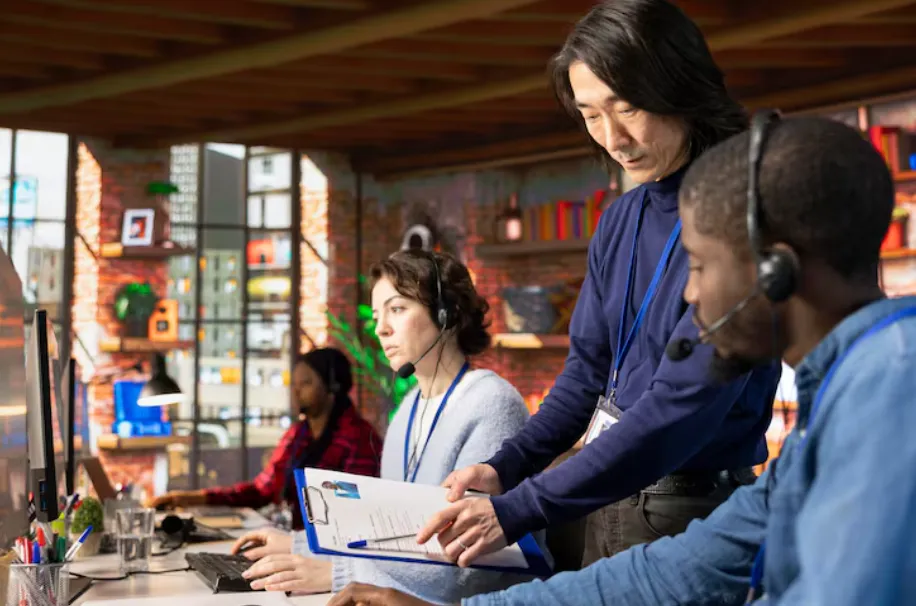
International productions often arrive with tight schedules, detailed shot lists, and little room for delays. A local fixer South Korea crews can work with helps connect those plans with real conditions on the ground, from location access and transport to communication and contributor coordination.
South Korea combines dense cities, coastal areas, industrial districts, historic neighbourhoods, and rural landscapes within relatively manageable distances. Even so, moving a professional crew between these settings requires careful planning if the production is expected to stay efficient.
Build the Schedule Around Reality
A production calendar should reflect actual travel conditions rather than ideal estimates. Traffic, parking, equipment loading, location access, and contributor availability can all reduce the amount of useful shooting time in a day.
Allowing sensible gaps between locations helps protect the schedule. It also gives crews enough flexibility to respond when interviews run long or a promising filming opportunity appears unexpectedly.
Coordinate the Production Locally
A field producer South Korea project teams can help connect creative priorities with practical production needs. This may involve coordinating contributors, checking locations, managing schedules, supporting interviews, and keeping communication clear between local contacts and visiting crew members.
That role becomes particularly valuable when several activities are happening at once. While the director focuses on storytelling, local production support can keep transport, timing, access, and crew requirements moving in the background.
Choose Locations for More Than Appearance
A visually impressive location is not always a practical one. Noise, crowds, restricted parking, limited power access, changing light, or difficult equipment movement can turn an attractive setting into a production problem.
Location checks should therefore consider both creative value and working conditions. A slightly less dramatic alternative may produce better footage if the crew has more control over sound, movement, and available shooting time.
Keep Communication Clear
International crews may need to speak with venue managers, contributors, drivers, suppliers, technicians, and local authorities during the same production day. Misunderstandings can quickly affect timing or access.
Clear communication is especially important when technical requirements are involved. Explaining crew size, equipment needs, arrival times, filming purpose, and expected duration in advance can make the shooting day much smoother.
Plan Equipment Movement Carefully
Professional production equipment changes the way a crew travels. Camera cases, tripods, lighting, audio gear, monitors, batteries, and accessories require extra space and additional loading time.
Vehicles should be chosen with both passengers and equipment in mind. Productions moving between several locations should also consider secure storage, easy loading access, and whether larger items can remain in the vehicle between setups.
Use Local Crew Where Useful
Not every specialist needs to travel internationally. Depending on the project, local camera operators, sound recordists, production assistants, drivers, drone professionals, or lighting crew may be available to support the visiting team.
Local crew members can also bring useful knowledge of working conditions and production practices. Their familiarity with the area may help resolve practical issues more quickly than a team encountering them for the first time.
Prepare for Regional Differences
Filming outside Seoul may involve different travel times, accommodation needs, location conditions, and access arrangements. Coastal areas, smaller cities, mountain regions, and rural communities can require a different production approach.
Crews should avoid assuming that logistics will work exactly as they do in the capital. Building regional travel and support requirements into pre-production helps prevent unexpected pressure once the shoot moves beyond Seoul.
Keep Alternative Plans Ready
Weather changes, contributor cancellations, traffic, venue restrictions, or technical issues can affect even the best-prepared production. A schedule with no backup options can become difficult to recover once one element fails.
Alternative locations, flexible interview windows, spare transport options, and secondary shooting ideas give the crew room to adapt. These alternatives are especially valuable when international teams have limited days in the country.
Protect the Creative Process
Good logistics should make the production feel simpler rather than more complicated. When access, transport, communication, and technical requirements are handled properly, the creative team can give more attention to direction, interviews, performance, and visual storytelling.
This matters across documentaries, branded content, corporate productions, news features, and music-related shoots. Better coordination gives filmmakers the time and flexibility needed to capture stronger material instead of constantly solving operational problems.
Conclusion
Working across South Korea can offer international production teams an impressive variety of people, settings, and visual opportunities. The challenge is turning those opportunities into a realistic shooting plan without wasting valuable production time.
Careful scheduling, practical location choices, strong communication, efficient equipment movement, and reliable local coordination create a more stable production environment. With these elements organised properly, crews can stay flexible, respond to changing conditions, and focus more fully on producing high-quality work.