
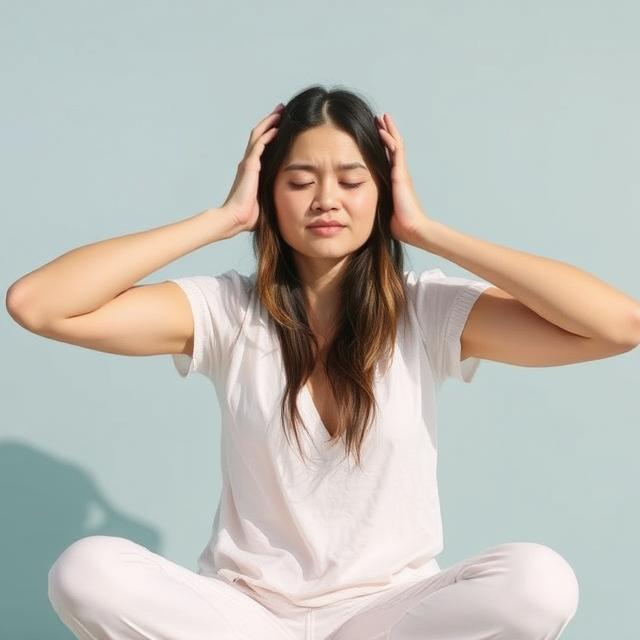
In today’s fast-paced world, stress has become a common part of life. Whether it’s work, relationships, or personal challenges, many people find themselves struggling with stress on a daily basis. If you’ve ever wondered how to relieve stress, you’re not alone. The good news is that there are many techniques and strategies that can help you manage and reduce stress effectively.
In this article, we will explore various methods to relieve stress, from simple lifestyle changes to relaxation techniques. By incorporating these practices into your daily routine, you can find the peace and relaxation you deserve.
Understanding Stress and Its Effects
Before diving into how to relieve stress, it’s important to understand what stress is and how it affects the body. Stress is the body’s natural response to situations that require adaptation or reaction. When we encounter a stressful event, our body releases stress hormones like cortisol and adrenaline. These hormones prepare the body for a “fight or flight” response, which can be useful in certain situations.
However, when stress becomes chronic, it can have negative effects on both your physical and mental health. Long-term stress is associated with a range of health issues, including high blood pressure, anxiety, depression, digestive problems, and weakened immune function.
So, if you’re wondering how to relieve stress, it’s important to address both the physical and emotional aspects of stress. Fortunately, there are many ways to manage and reduce stress effectively.
Recognizing the Signs of Stress
To understand how to relieve stress, it’s essential to recognize the signs that indicate you’re experiencing too much stress. These signs can vary from person to person, but some common symptoms of stress include:
-
Physical tension, such as tight muscles, headaches, or neck pain
-
Increased irritability or mood swings
-
Difficulty concentrating or making decisions
-
Trouble sleeping or experiencing restless nights
-
Changes in appetite (either eating too much or too little)
-
Feeling overwhelmed or anxious
If you’re noticing any of these signs, it may be time to explore how to relieve stress and take steps to restore balance in your life.
How to Relieve Stress: Simple Lifestyle Changes
Sometimes, the best way to relieve stress is by making small changes in your everyday routine. Let’s look at some simple lifestyle changes that can have a big impact on reducing stress.
1. Exercise Regularly
One of the most effective ways to relieve stress is through physical activity. Exercise helps release endorphins, which are chemicals in the brain that promote a sense of well-being and happiness. Regular exercise also helps reduce cortisol levels, the stress hormone, in the body.
Whether it’s going for a walk, practicing yoga, cycling, or doing strength training, regular exercise can significantly improve your mood and help you relax. Aim for at least 30 minutes of moderate activity a few times a week to start feeling the benefits.
2. Eat a Healthy, Balanced Diet
The food you eat can have a direct impact on your mood and stress levels. A diet high in processed foods, sugar, and caffeine can increase feelings of anxiety and stress. On the other hand, a healthy, balanced diet can help stabilize blood sugar levels and improve your mood.
To relieve stress, focus on eating nutrient-dense foods like fruits, vegetables, whole grains, lean proteins, and healthy fats. Omega-3 fatty acids found in fish like salmon and walnuts have been shown to reduce stress and improve brain function. Additionally, staying hydrated is essential for mental clarity and energy levels.
3. Get Enough Sleep
Sleep is one of the most important factors when it comes to managing stress. Poor sleep can exacerbate stress, making it harder for you to cope with daily challenges. When you don’t get enough rest, your body produces higher levels of cortisol, which can leave you feeling more stressed and anxious.
To relieve stress, aim to get 7-9 hours of quality sleep each night. Establish a relaxing bedtime routine, avoid caffeine and screen time before bed, and make your sleep environment as comfortable as possible.
4. Manage Your Time Effectively
Feeling overwhelmed by an endless to-do list is a common cause of stress. Learning to manage your time effectively can help you prioritize tasks and reduce feelings of anxiety. Break larger tasks into smaller, manageable steps, and tackle them one at a time. Also, don’t forget to set aside time for relaxation and self-care.
If you’re unsure how to relieve stress related to time management, consider using tools like calendars, planners, or digital apps to help you stay organized and on track.
How to Relieve Stress: Relaxation Techniques
In addition to making lifestyle changes, relaxation techniques are an excellent way to relieve stress in the moment. These techniques can help calm your mind, relax your body, and provide instant relief from stress.
5. Practice Deep Breathing
Deep breathing exercises are one of the simplest and most effective ways to relieve stress. When you focus on your breath, it helps slow your heart rate and relax your nervous system. You can practice deep breathing anywhere, making it a great tool for stress relief throughout the day.
Try the following exercise:
-
Inhale deeply through your nose for a count of four.
-
Hold your breath for a count of four.
-
Exhale slowly through your mouth for a count of four.
-
Repeat this cycle for 5-10 minutes to help calm your mind and reduce stress.
6. Try Meditation or Mindfulness
Meditation and mindfulness practices can help you focus on the present moment and reduce stress. When you meditate, you take a break from the constant stream of thoughts, allowing your mind to rest and recharge. Over time, meditation can help you build resilience to stress and improve emotional regulation.
To relieve stress through meditation, find a quiet space, sit comfortably, and focus on your breath. If your mind starts to wander, gently bring your attention back to your breath. Even a few minutes of meditation each day can help you feel calmer and more centered.
7. Use Progressive Muscle Relaxation (PMR)
Progressive muscle relaxation is a technique that involves tensing and then relaxing different muscle groups in the body. This practice helps release physical tension and promotes relaxation. By focusing on each muscle group, you can also bring awareness to areas where stress may be physically manifesting.
To practice PMR, start at your feet and work your way up to your head. Tense each muscle group for a few seconds, then release the tension and focus on the relaxation that follows. This technique can help relieve stress and improve your sense of well-being.
8. Listen to Relaxing Music
Music has the power to soothe the mind and reduce stress. Listening to calming music, such as classical, ambient, or nature sounds, can help lower blood pressure and relax the body. Create a playlist of your favorite relaxing songs and take a few minutes each day to sit back and unwind with music.
How to Relieve Stress: Building a Support System
Having a strong support system is another key aspect of how to relieve stress. Social connections and emotional support play a significant role in helping people manage stress and navigate challenging situations.
9. Talk to Someone You Trust
Sometimes, the simple act of talking to a friend, family member, or therapist can be incredibly relieving. When you express your feelings and concerns, it can help release built-up tension and provide clarity. If you’re unsure how to relieve stress from emotional burdens, talking about it with someone you trust can be an important first step.
10. Spend Time in Nature
Spending time outdoors in nature can have a calming effect on the mind. Nature has been shown to reduce stress and anxiety while promoting a sense of peace. Take a walk in the park, hike in the mountains, or simply sit outside and enjoy the fresh air.
How to Relieve Stress: Long-Term Strategies
For long-term stress management, it’s important to make stress relief a regular part of your life. Consistency is key to reducing stress and preventing burnout.
11. Set Boundaries
Setting boundaries is essential for managing stress. Whether it’s at work, with family, or in social situations, it’s important to know your limits and communicate them effectively. Saying no when necessary and protecting your personal time can help you maintain balance and avoid overwhelming stress.
12. Engage in Hobbies and Interests
Engaging in activities you enjoy can be a great way to relieve stress. Whether it’s painting, gardening, reading, or playing a musical instrument, taking time for yourself and pursuing hobbies can provide a sense of accomplishment and relaxation.
Conclusion
Learning how to relieve stress is essential for maintaining your mental and physical health. By incorporating simple lifestyle changes, practicing relaxation techniques, building a support system, and making stress relief a regular part of your routine, you can reduce the negative impact of stress on your life.
Remember, managing stress is not about eliminating it entirely but rather learning to handle it in healthy ways. Whether through exercise, deep breathing, meditation, or spending time in nature, there are countless methods to help you relax, restore balance, and improve your overall well-being. Make self-care a priority, and over time, you’ll find that you’re better equipped to handle whatever life throws your way.