
Luxury eco resorts are redefining what it means to travel in style, blending five-star comfort with meaningful environmental responsibility. A few years ago, I stayed at a remote jungle retreat powered entirely by solar energy. My villa had a private infinity pool overlooking untouched rainforest, yet the property operated with zero single-use plastics. That experience reshaped my understanding of modern luxury.
Today’s discerning travelers want more than plush bedding and ocean views. They seek authenticity, sustainability, and ethical impact. The rise of eco-conscious hospitality reflects this shift. High-end experiences no longer come at the planet’s expense.
In this comprehensive guide, we explore how Luxury eco resorts combine indulgence with integrity, where to find them, what makes them credible, and why they represent the future of responsible travel.
What Defines True Luxury Eco Resorts?
Not every resort claiming sustainability meets the highest standards. Genuine Luxury eco resorts integrate environmental stewardship into every operational layer.
Energy efficiency is often the foundation. Many properties rely on solar panels, wind turbines, or hydroelectric systems to reduce carbon footprints. Water conservation strategies, including rainwater harvesting and greywater recycling, are common.
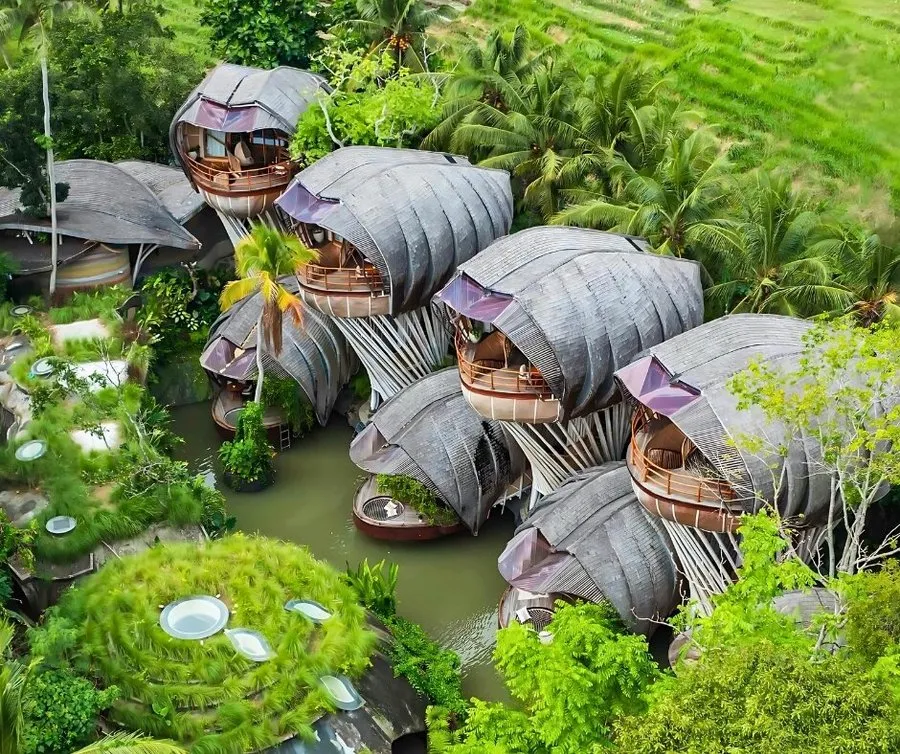
Architecture plays a vital role. Designers use locally sourced materials such as bamboo, reclaimed wood, and natural stone. Structures are often built to blend seamlessly with surrounding landscapes, minimizing disruption to ecosystems.
Equally important is community involvement. These resorts frequently employ local staff, source ingredients from nearby farms, and invest in community development programs.
The Rise of Luxury Eco Resorts in Modern Travel
Global awareness of climate change has shifted traveler expectations. High-net-worth individuals increasingly seek responsible travel options that align with personal values.
Market research shows that sustainability influences booking decisions across all income levels. Travelers are asking deeper questions about waste management, wildlife conservation, and cultural preservation.
This demand has accelerated the growth of Luxury eco resorts worldwide. From private island retreats in the Maldives to safari lodges in Kenya, sustainability has become synonymous with exclusivity.
The appeal lies in balance. Guests enjoy premium amenities while knowing their stay contributes positively to the environment.
Architectural Innovation in Luxury Eco Resorts
The design of Luxury eco resorts often feels like art inspired by nature. Open-air villas maximize natural ventilation, reducing reliance on air conditioning.
Large windows and skylights harness daylight, lowering electricity consumption. Green roofs insulate buildings and encourage biodiversity.
I once visited a coastal property where elevated wooden walkways protected delicate mangrove roots below. The design wasn’t just beautiful; it preserved the ecosystem.
This architectural harmony enhances guest experiences. Nature becomes part of the accommodation rather than a backdrop.
Exceptional Service Without Environmental Compromise
One misconception about sustainable travel is that comfort must be sacrificed. In reality, Luxury eco resorts prioritize service excellence.
Personalized butler services, spa treatments using organic products, and gourmet dining experiences are standard offerings. The difference lies in sourcing and execution.
Chefs often create farm-to-table menus using seasonal, locally grown ingredients. Spa treatments incorporate indigenous healing traditions and plant-based products.
The attention to detail rivals traditional five-star hotels while maintaining a lower environmental footprint.
Global Destinations Leading the Way
Costa Rica remains a pioneer in eco-luxury hospitality. Rainforest lodges operate on renewable energy while offering private plunge pools and guided wildlife tours.
In the Maldives, overwater villas powered by solar panels combine opulence with coral reef restoration initiatives.
African safari camps exemplify responsible tourism. Many Luxury eco resorts in Botswana and Kenya operate within conservation areas, funding anti-poaching programs and wildlife research.
In Southeast Asia, bamboo-constructed villas overlook rice terraces, demonstrating how sustainable materials can create world-class accommodations.
Each region adapts sustainability principles to local environments and cultures.
Community Impact and Ethical Responsibility
Behind the elegance of Luxury eco resorts lies a commitment to social responsibility. Many properties partner with local artisans, showcasing handmade décor and crafts.
Employment opportunities often prioritize surrounding communities, creating economic stability in remote areas.
Educational initiatives funded by resort revenue support schools and healthcare facilities. These contributions extend benefits beyond tourism alone.
When travelers choose eco-luxury properties, their spending becomes part of a broader development ecosystem.
Sustainability Certifications and Transparency
Credibility matters in the eco-tourism industry. Recognized certifications such as LEED, Green Globe, and EarthCheck validate environmental claims.
Reputable Luxury eco resorts publish sustainability reports detailing energy usage, waste reduction metrics, and conservation partnerships.
Transparency builds trust. Travelers increasingly research properties before booking, ensuring sustainability efforts are measurable rather than marketing-driven.
Direct communication with resort management can also clarify environmental practices.
Wildlife Conservation and Biodiversity Protection
Many eco-luxury properties operate within fragile ecosystems. Their responsibility extends to wildlife protection.
In South America, some Luxury eco resorts collaborate with biologists to monitor endangered species. Guided excursions educate guests about habitat preservation.
Marine-focused properties often support coral reef restoration and responsible diving practices.
These initiatives create immersive experiences that deepen appreciation for natural environments.
Guest Experience: Immersion in Nature
Staying at one of the world’s finest Luxury eco resorts feels transformative. Morning yoga sessions overlooking mist-covered mountains foster connection with the environment.
Guided forest walks introduce guests to native flora and fauna. Evenings might include candlelit dinners under starlit skies, powered by renewable energy.
The atmosphere encourages mindfulness. Technology is often subtly integrated, allowing digital convenience without overwhelming natural serenity.
Guests leave not only relaxed but also inspired.
Balancing Opulence and Environmental Ethics
The concept of eco-luxury challenges traditional assumptions about excess. True sustainability requires thoughtful resource management.
High-end properties achieve this balance through innovative technologies such as smart climate systems and energy-efficient appliances.
Water desalination plants, composting programs, and plastic-free policies demonstrate how indulgence and responsibility coexist.
The evolution of Luxury eco resorts proves that environmental awareness enhances rather than limits luxury.
Culinary Excellence in Luxury Eco Resorts
Dining experiences often become highlights of eco-luxury stays. Organic gardens within resort grounds supply fresh herbs and vegetables.
Seafood is sourced responsibly, ensuring marine sustainability. Menus reflect regional traditions while embracing modern gastronomy.
I recall tasting a locally sourced tasting menu where every ingredient’s origin was explained by the chef. The transparency elevated the meal beyond flavor alone.
Food becomes storytelling, reinforcing sustainability values.
Wellness and Holistic Experiences
Many Luxury eco resorts emphasize holistic well-being. Spa treatments incorporate natural ingredients harvested responsibly.
Meditation pavilions, open-air fitness centers, and wellness retreats align physical rejuvenation with environmental harmony.
The connection between wellness and sustainability resonates strongly with today’s travelers.
Eco-conscious surroundings amplify relaxation and mental clarity.
Challenges Facing Luxury Eco Resorts
Despite progress, maintaining sustainability standards presents challenges. Remote locations can complicate supply chains and infrastructure development.
Climate change threatens fragile ecosystems that many properties depend upon.
However, forward-thinking Luxury eco resorts adapt through continuous innovation and collaboration with environmental experts.
Long-term planning ensures resilience and environmental protection.
The Future of Luxury Eco Resorts
Technological advancements will further enhance sustainability. Solar battery storage systems, advanced water purification technologies, and carbon offset integration are becoming standard.
As traveler expectations evolve, Luxury eco resorts will continue raising benchmarks for environmental performance.
Investment in regenerative tourism models aims not just to sustain but to restore ecosystems.
The future of high-end travel lies in responsible stewardship combined with exceptional experiences.
Read also:
