
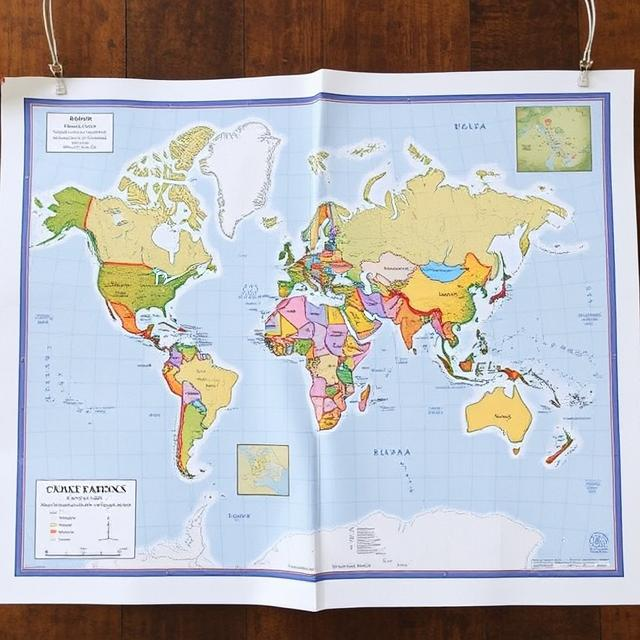
Introduction: Understanding How to Read a Map
If you’ve ever been on a road trip or hiking adventure, you’ve likely encountered a map at some point. For many, learning how to read a map can seem like a daunting task, but with a little patience and understanding, it’s an incredibly useful skill to have. Whether you’re exploring the wilderness, planning your next travel route, or simply trying to navigate through a new city, knowing how to read a map can make all the difference.
In this article, we’ll break down the essentials of how to read a map, making it easy for anyone—from beginners to seasoned travelers—to understand how to use maps effectively. We’ll cover the basics, including the types of maps, essential map elements, and helpful tips for reading maps with confidence.
What is a Map?
Before diving into how to read a map, it’s important to first understand what a map is. A map is a two-dimensional representation of a three-dimensional space, designed to depict geographic features, political boundaries, and other important landmarks. Maps come in various types, including topographic maps, road maps, and thematic maps, and each serves a different purpose.
While maps may seem intimidating at first glance, once you know the key elements to look for, they become much easier to understand. Learning how to read a map is all about recognizing the symbols and understanding the layout of the map.
Essential Components of a Map
When learning how to read a map, there are several key components you’ll need to familiarize yourself with. Let’s break down the essential elements that make up a map:
1. Title
Every map comes with a title, which indicates what the map represents. This might be a city map, a world map, or a topographic map of a hiking trail. The title helps you understand the context of the map and its specific purpose. So, before you dive into how to read a map, always check the title to ensure you’re looking at the right one.
2. Legend (or Key)
The legend, or key, is a crucial part of how to read a map. It explains the meaning of various symbols, colors, and lines on the map. For example, blue lines might represent rivers, while green areas could denote forests. Understanding the legend allows you to decode the symbols and effectively interpret the map.
3. Scale
The scale of a map indicates the relationship between distances on the map and their actual distances in the real world. For example, a scale might show that 1 inch on the map equals 10 miles in reality. Knowing the scale is essential when learning how to read a map, as it helps you estimate real-world distances and plan your travel accordingly.
4. Compass Rose
Maps often include a compass rose, which shows the directions (north, south, east, and west). Understanding the orientation of the map is crucial when learning how to read a map, as it helps you navigate correctly and orient yourself in the real world.
5. Grid System
Many maps include a grid system that divides the map into squares, making it easier to locate specific areas. The grid is typically made up of horizontal and vertical lines, creating coordinates that you can use to pinpoint locations. Knowing how to read the grid system is an important part of how to read a map, especially for more detailed maps.
Different Types of Maps
Now that you understand the basic elements of a map, let’s explore the different types of maps you may encounter when learning how to read a map.
1. Topographic Maps
Topographic maps show detailed terrain, including elevation changes, natural features (like rivers and mountains), and man-made structures (like roads and buildings). They use contour lines to represent elevation, helping you understand the landscape’s shape and features. These maps are particularly useful for hiking and outdoor adventures, as they provide information about elevation and landforms.
2. Road Maps
Road maps are designed for travelers, showing highways, streets, and points of interest. These maps are ideal for road trips, as they help you navigate through cities, towns, and along highways. Learning how to read a map for driving involves focusing on roads, intersections, and key landmarks that guide you on your journey.
3. Political Maps
Political maps show the boundaries of countries, states, provinces, cities, and other political divisions. They typically include the names of countries, cities, and capitals, helping you understand the geographical location of political boundaries. These maps are essential when learning how to read a map at a global or national level.
4. Thematic Maps
Thematic maps focus on a specific theme, such as climate, population density, or vegetation types. These maps may not show physical features like mountains or rivers, but instead focus on representing statistical or thematic data. When learning how to read a map, you’ll want to understand the specific theme the map addresses in order to interpret it properly.
5. City Maps
City maps are detailed maps of urban areas, showing streets, neighborhoods, public transportation routes, and major landmarks. These maps are particularly useful for navigating large cities and finding specific locations, such as restaurants, hotels, and museums. Knowing how to read a map in a city setting helps you get around efficiently, especially when public transportation or walking is involved.
Step-by-Step Guide on How to Read a Map
Now that you’re familiar with the different types of maps and essential map components, let’s go through a step-by-step guide on how to read a map:
Step 1: Orient the Map
The first thing you need to do when learning how to read a map is orient the map to match your surroundings. Most maps are designed with the top representing north, so find north in your environment (either by using a compass or the sun) and align the map accordingly. This ensures that you are reading the map in the correct direction.
Step 2: Study the Legend
Before diving into the details of the map, always take a moment to study the legend or key. The legend will explain the meaning of various symbols and colors on the map, such as roads, bodies of water, and landmarks. Understanding the legend is essential for interpreting the map correctly.
Step 3: Use the Scale
The scale is an important tool when learning how to read a map. It helps you determine distances between locations on the map and translate them into real-world measurements. For example, if you want to know how far two points are apart, use the scale to measure the distance and then convert it into miles or kilometers.
Step 4: Identify Landmarks and Features
Look for recognizable landmarks and features on the map, such as rivers, mountain ranges, roads, and cities. These features will help you orient yourself and plan your route. Whether you’re navigating through a city or hiking in the wilderness, identifying key landmarks is a crucial part of how to read a map effectively.
Step 5: Follow a Route
If you’re planning a trip or hike, use the map to identify the route you want to take. Mark your starting point and destination, and then trace the best route. Pay attention to roads, trails, and key landmarks along the way, as these will guide you to your destination. When learning how to read a map, it’s important to understand the layout of your route and any possible detours or obstacles you might encounter.
Step 6: Keep the Map Accessible
When you’re traveling, keep the map easily accessible so you can refer to it as needed. If you’re driving, for example, it’s helpful to have a printed map or use a GPS system to guide you. If you’re hiking, keep a topographic map on hand to assist you in navigating the terrain. Being able to quickly consult the map is an important skill when learning how to read a map.
Tips for Improving Your Map Reading Skills
-
Practice regularly: The more you practice, the better you’ll become at how to read a map. Try using maps when traveling to new places, or practice with different types of maps at home.
-
Use both physical and digital maps: While physical maps are essential, digital maps can offer added convenience and real-time updates, especially when traveling.
-
Ask for help: If you’re having trouble understanding a map, don’t hesitate to ask locals or fellow travelers for guidance.
-
Learn how to use a compass: Knowing how to use a compass in conjunction with a map is a valuable skill, especially for hiking or outdoor navigation.
Conclusion: Mastering How to Read a Map
Learning how to read a map is an essential skill that can enhance your travel experiences and improve your navigation abilities. Whether you’re exploring a new city, hiking through nature, or driving across the country, understanding maps is key to ensuring you stay on track.
By familiarizing yourself with the various map elements, understanding how to read different types of maps, and following a simple step-by-step process, you’ll be able to navigate with ease and confidence. With time and practice, you’ll soon become an expert in how to read a map and enjoy a smoother, more enjoyable travel experience.