
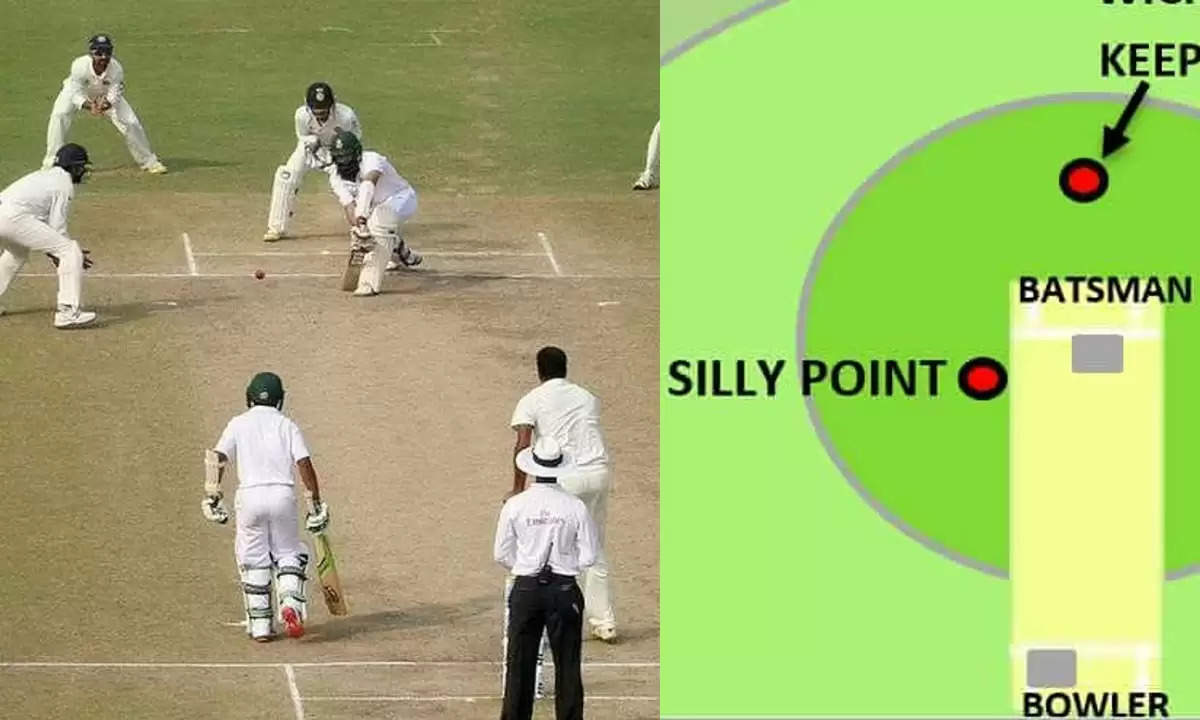
Smart Fielding Strategy starts long before the bowler runs in or the batter takes guard. It begins in the captain’s reading of angles, the fielder’s anticipation of movement and the ability to convert pressure into hesitation. Modern cricket is not only won by batting depth or bowling spells but by invisible runs saved in the ring, pressure created on the boundary and hesitation planted in the batter’s mind before the ball is struck.
Game Awareness At The Core Of Smart Fielding Strategy
The great fielders of world cricket are not just athletic; they are predictive. They do not react after the shot; they lean into motion before contact. Their bodies behave like chess pieces already in motion because they sense intent before impact. When the fielding unit anticipates collectively, the batter feels caged. It is silent suffocation built through angles and instinct.
This is what separates basic field placing from a Smart Fielding Strategy that adapts with every delivery. It is never static. Every ball rewrites the micro-plan. Every shuffle in the ring telegraphs strategy without needing words.
Field Placement As A Psychological Weapon
Most spectators think fielding is about physical energy, but at high performance levels, it is psychological architecture. A well-placed fielder closes a scoring window and forces a batter into lower percentage options. Even before the bowler beats the edge, the fielder has already forced a mistake by limiting comfort zones. (Smart Fielding Strategy)
Captains who understand spatial pressure use the field like a tightening grip — first comfort, then denial. The scoring areas shrink, the angles disappear, and by the seventh or eighth dot ball, the batter self-destructs.
Athleticism With Intent
Raw speed and diving ability matter, but only when activated with foresight. A fielder who sprints late arrives late, no matter how fast he is. The value lies in the first step — the moment the brain says go before the body is even in motion. (Smart Fielding Strategy)
This is why elite coaching staff train not only legs and shoulders but awareness and reading patterns. A catch is often won in mindset seconds before it is won in mechanics.
Creating Inside Pressure Without The Ball
Specialist captains know that domination does not always come from wickets. Sometimes control comes from turning ones into dots and twos into singles. The batter slowly loses fluency, and scoreboard pressure becomes silent panic.
This type of defensive squeeze demands unity. One over from a bowler may build pressure, but the field converts that pressure into a mistake. The dismissal belongs to the bowler on paper, but the creation of it belongs to fielders. (Smart Fielding Strategy)
The Role Of Fitness And Repeat Intensity
The most undervalued attribute in a Smart Fielding Strategy is repeat intensity — the ability to give the same burst of effort in the 45th over that you gave in the 5th. A tired fielder arrives late by half a step, and half steps cost boundaries. Champions develop endurance not only to survive long spells but to preserve alertness deep into the death overs.
This is where commitment transcends athletic skill. A fielder with relentless energy shifts momentum more than a fielder with occasional brilliance.
Reading The Batter, Not Just The Ball
World-class fielders never track only the trajectory of the shot. They track the clues before the shot — grip pressure, stance adjustment, front-foot setup, weight transfer. These signals reveal intention in advance. Reaction becomes prediction. A catching opportunity becomes a hunt rather than a gift. (Smart Fielding Strategy)
This instinctive reading is what turns average athletes into match-turning assets. When a fielder is three steps ahead of contact, he is already closer to the outcome than the batter thinks.
Why Strategy Outlives Skill
Skills fade with age. Reflexes slow with time. But anticipation and reading ability grow sharper. A well-built Smart Fielding Strategy lives beyond individual performance and becomes part of team identity. Pressure is not created by shouting; it is created by presence. The batter feels watched, cornered and deprived of rhythm. One hesitation creates one misjudged run. One misjudged run creates a wicket.
Teams that master this art win matches not only through what is seen on the scoreboard but through what is silently stolen in the gaps between deliveries.
Read also:
houston rockets vs dallas mavericks match player stats
denver nuggets vs timberwolves match player stats
timberwolves vs golden state warriors match player stats
sacramento kings vs golden state warriors match player stats
india women’s national cricket team vs west indies women match scorecard
afghanistan national cricket team vs india national cricket team match scorecard
australia women’s national cricket team vs new zealand women’s national cricket team match scorecard