
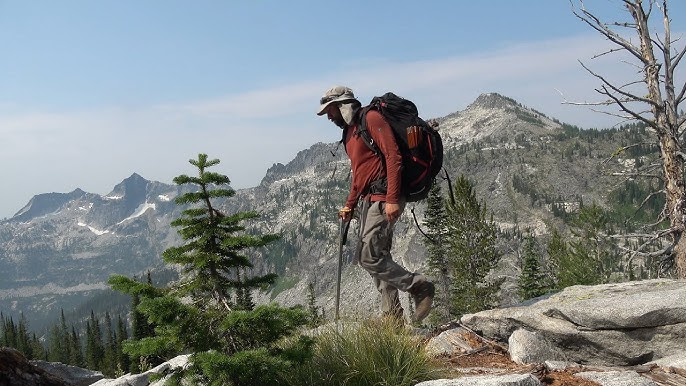
Solo backpacking routes open the door to freedom, adventure, and self-discovery for travelers seeking independence on the road. Backpacking alone offers a unique way to explore new cultures, meet fellow adventurers, and embrace challenges that group travel often doesn’t provide. With the right planning, solo backpacking can be both safe and life-changing.
While some may find traveling alone intimidating, the right routes, strategies, and preparation can make the experience empowering. These recommended routes and tips cater to beginners and seasoned backpackers alike, emphasizing safety, affordability, and cultural immersion.
Planning Your Solo Backpacking Adventure
Preparation is key when exploring solo backpacking routes. Decide on destinations based on safety, connectivity, and budget. Consider factors like local weather, peak seasons, and available amenities to plan effectively.
Creating a flexible itinerary is a crucial solo backpacking routes strategy. It allows for spontaneous detours, unexpected encounters, and immersive experiences without feeling constrained by a rigid schedule.
Choosing the Right Backpacking Routes
Selecting suitable solo backpacking routes is critical for beginners. Popular trails like the Himachal Pradesh circuit in India, the Annapurna Circuit in Nepal, or the backpacking path along Vietnam’s coastline provide a mix of scenic beauty and social interaction.
A smart solo backpacking routes approach is to start with routes that are well-traveled by other solo backpackers. These paths offer safety, reliable accommodation, and opportunities to meet fellow travelers.
Budget-Friendly Accommodation
Backpackers often prioritize budget options to maximize travel experiences. Hostels, homestays, and guesthouses are ideal for solo travelers because they provide both affordability and social opportunities.
An essential solo backpacking routes tip is to book accommodations that are centrally located near public transport. This ensures easy access to attractions while minimizing travel stress and unnecessary expenses.
Navigating Local Transport
Efficient travel between stops is crucial for successful backpacking. Buses, trains, and rideshare services are affordable ways to explore new regions. Learning local transport systems before departure prevents delays and confusion.
A practical solo backpacking routes strategy is to combine walking, cycling, and public transport. This approach reduces costs and allows a deeper exploration of each location at a local pace.
Safety Considerations
Solo backpacking requires vigilance. Avoid risky areas at night, keep belongings secure, and maintain digital copies of important documents. Travel insurance is recommended even for budget travelers.
Trusting your instincts is another key solo backpacking routes tip. If something feels off, leave the area immediately and seek assistance. Staying alert ensures a safer and more enjoyable journey.
Meeting Fellow Travelers
One of the joys of solo backpacking is meeting like-minded adventurers. Hostels, communal kitchens, and group tours create opportunities to socialize and exchange travel tips.
An important solo backpacking routes insight is to remain open and approachable. Making friends along the way often enhances safety and enriches the backpacking experience through shared activities.
Exploring Culture and Cuisine
Backpacking alone allows you to immerse fully in local culture. Trying regional dishes, attending festivals, and engaging in community activities provides authentic experiences.
A helpful solo backpacking routes tip is to research local customs and etiquette. Understanding cultural norms ensures respectful interactions and a smoother journey.
Packing Smart for the Journey
Overpacking can be a major burden for solo backpackers. Lightweight, versatile clothing and essential travel gear are recommended. Include items like a portable charger, reusable water bottle, and first aid kit.
A practical solo backpacking routes approach is to use packing cubes and minimalist gear. This keeps your backpack organized and ensures mobility across long distances.
Budgeting While Backpacking
Managing finances is vital for solo travelers. Track daily expenses, carry multiple payment methods, and prioritize experiences over material purchases.
A key solo backpacking routes strategy is to explore free or low-cost activities. Walking tours, public parks, and cultural events can provide memorable experiences without straining your budget.
Health and Wellness on the Trail
Maintaining health is critical during backpacking. Stay hydrated, eat well, and get sufficient rest. Research local health facilities and carry essential medications for emergencies.
A vital solo backpacking routes tip is to prioritize personal hygiene, especially when using shared facilities in hostels. Healthy habits reduce illness and improve the overall travel experience.
Documenting Your Journey
Capturing your adventures through photography, journaling, or vlogging allows you to relive experiences and share insights. Solo backpacking often presents unique moments worth preserving.
A recommended solo backpacking routes practice is to record both highlights and challenges. Reflection adds value to the adventure and inspires future trips.
Handling Unexpected Challenges
Solo backpacking comes with unpredictable situations, from transport delays to language barriers. Staying calm and adaptable is essential.
A useful solo backpacking routes tip is to maintain digital backups of documents and emergency contacts. Being prep
Embracing the Adventure
Solo backpacking offers personal growth, independence, and resilience. Traveling alone teaches problem-solving, confidence, and cultural awareness.
The most rewarding solo backpacking routes insight is to embrace solitude as a chance for self-reflection. Every challenge and interaction becomes a valuable learning experience that enriches your journey.
Technology and Apps for Backpackers
Travel apps for navigation, translation, and booking help solo backpackers explore efficiently. Offline maps and local guides enhance independence.
A modern solo backpacking routes tip is to leverage apps to find budget accommodations, local eateries, and social meetups. Technology helps optimize safety, convenience, and enjoyment.
Preparing Mentally and Emotionally
Backpacking alone can be mentally intense. Preparing for solitude, cultural differences, and unexpected events ensures a smoother experience.
A final solo backpacking routes recommendation is to practice mindfulness, journaling, or meditation. This helps manage stress, encourages reflection, and deepens appreciation for the journey.
Read also:
4035270830
4169376408
4167790381
6139036260
6042953505
6138019264
