
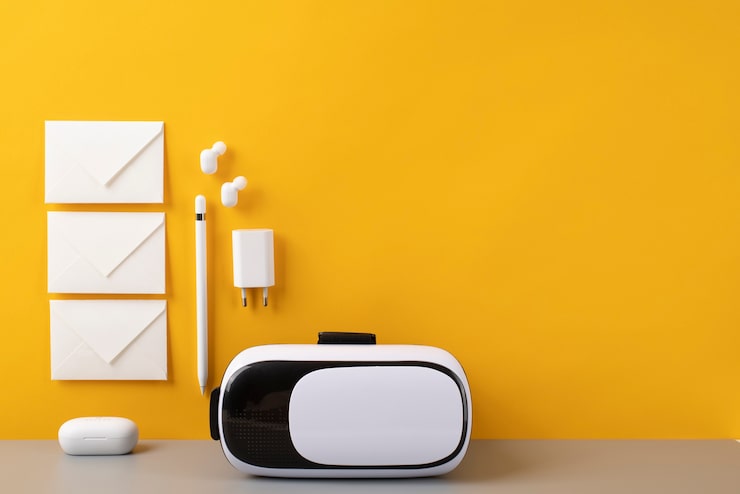
Tech IoT Devices have transformed the way we interact with our living and working spaces. From smart thermostats that adjust room temperatures automatically to intelligent security systems, the Internet of Things (IoT) has made homes and offices more connected, efficient, and responsive. These devices not only simplify daily routines but also enhance energy efficiency, productivity, and overall lifestyle convenience.
IoT technology is no longer a futuristic concept; it has become an integral part of modern life. The ability to monitor, control, and automate environments through interconnected devices is reshaping how we live and work. Whether it’s a busy professional managing office equipment remotely or a family controlling home appliances from a smartphone, Tech IoT Devices enable smarter decision-making and better time management.
The Rise of Smart Homes
Smart homes are at the forefront of IoT adoption. Connected lighting, climate control, security cameras, and voice-activated assistants allow homeowners to manage multiple systems seamlessly. These devices can learn user preferences, adjust automatically, and even communicate with each other to create an intelligent ecosystem.
For example, a smart thermostat can coordinate with motion sensors to regulate temperature only in occupied rooms, conserving energy while maintaining comfort. Smart refrigerators track groceries and suggest shopping lists, while connected door locks allow remote access for trusted visitors. Implementing these technologies demonstrates how Tech IoT Devices are redefining home management and efficiency.
IoT in Modern Offices
Beyond homes, IoT is revolutionizing office environments. Smart lighting, occupancy sensors, and connected HVAC systems optimize energy use and employee comfort. Meeting room management systems track availability and usage, reducing conflicts and improving workflow.
Connected office devices also enhance security and data management. For instance, IoT-enabled access control systems monitor entry and exit, while networked printers and devices communicate to minimize downtime. Employees can work remotely while monitoring office conditions, showcasing the flexibility and productivity gains made possible by Tech IoT Devices.
Enhanced Efficiency Through Automation
One of the most significant benefits of IoT devices is automation. Automated schedules, triggers, and routines reduce manual intervention and allow environments to adapt to human needs. For example, lights can turn on automatically as someone enters a room, and smart shades can adjust according to the time of day.
Automation in offices streamlines repetitive tasks, such as monitoring inventory levels, managing HVAC settings, or controlling multimedia systems. This seamless integration reduces errors, saves time, and allows users to focus on higher-priority work. By applying Tech IoT Devices strategically, businesses and households alike can maximize efficiency and productivity.
Security and Safety Enhancements
Security remains a major advantage of IoT adoption. Smart cameras, motion detectors, door locks, and smoke alarms create layered security systems that can be monitored remotely. Alerts and notifications sent directly to smartphones ensure timely responses to emergencies.
In corporate settings, IoT devices monitor sensitive areas, track asset movement, and prevent unauthorized access. This not only safeguards physical property but also protects digital infrastructure. The interconnectedness provided by Tech IoT Devices gives peace of mind and reinforces a culture of safety.
Integration and Interoperability
A crucial aspect of IoT is interoperability—the ability for different devices and platforms to communicate seamlessly. Smart home ecosystems often integrate lighting, security, entertainment, and climate control into a single interface. Similarly, modern offices benefit from unified dashboards that consolidate multiple IoT devices for monitoring and control.
Open standards, cloud connectivity, and mobile applications allow for real-time data sharing and remote management. This integration ensures that the full potential of IoT is realized, providing a smooth and intuitive user experience that aligns with contemporary digital lifestyles.
Data Analytics and Insights
IoT devices generate vast amounts of data, which can be analyzed to provide actionable insights. In homes, this could mean understanding energy usage patterns, predicting maintenance needs, or personalizing comfort settings. In offices, data can inform space utilization, employee engagement, and operational efficiency.
Advanced analytics and machine learning algorithms enable Tech IoT Devices to not only collect information but also learn from it. Predictive maintenance, automated optimizations, and behavior-based adjustments enhance both convenience and performance, ensuring users derive maximum value from their connected ecosystems.
The Future of Connected Living
As IoT technology continues to evolve, the possibilities for connected homes and offices expand exponentially. Emerging trends include smart cities, integrated transport systems, and AI-powered home assistants that anticipate needs before they arise.
Consumers and businesses increasingly expect seamless, intelligent interactions with their environments. By investing in and understanding Tech IoT Devices, individuals can stay ahead of trends, enjoy more convenience, and achieve greater control over their spaces. The blend of connectivity, automation, and analytics is shaping the future of modern living and working environments.
Read also:
join a gimkit
gimki.com join
gimkit codes to join right now
gimkit.come/join
houston rockets vs lakers match player stats
dallas mavericks vs new orleans pelicans matches
sacramento kings vs golden state warriors match player stats
lakers vs houston rockets match player stats