
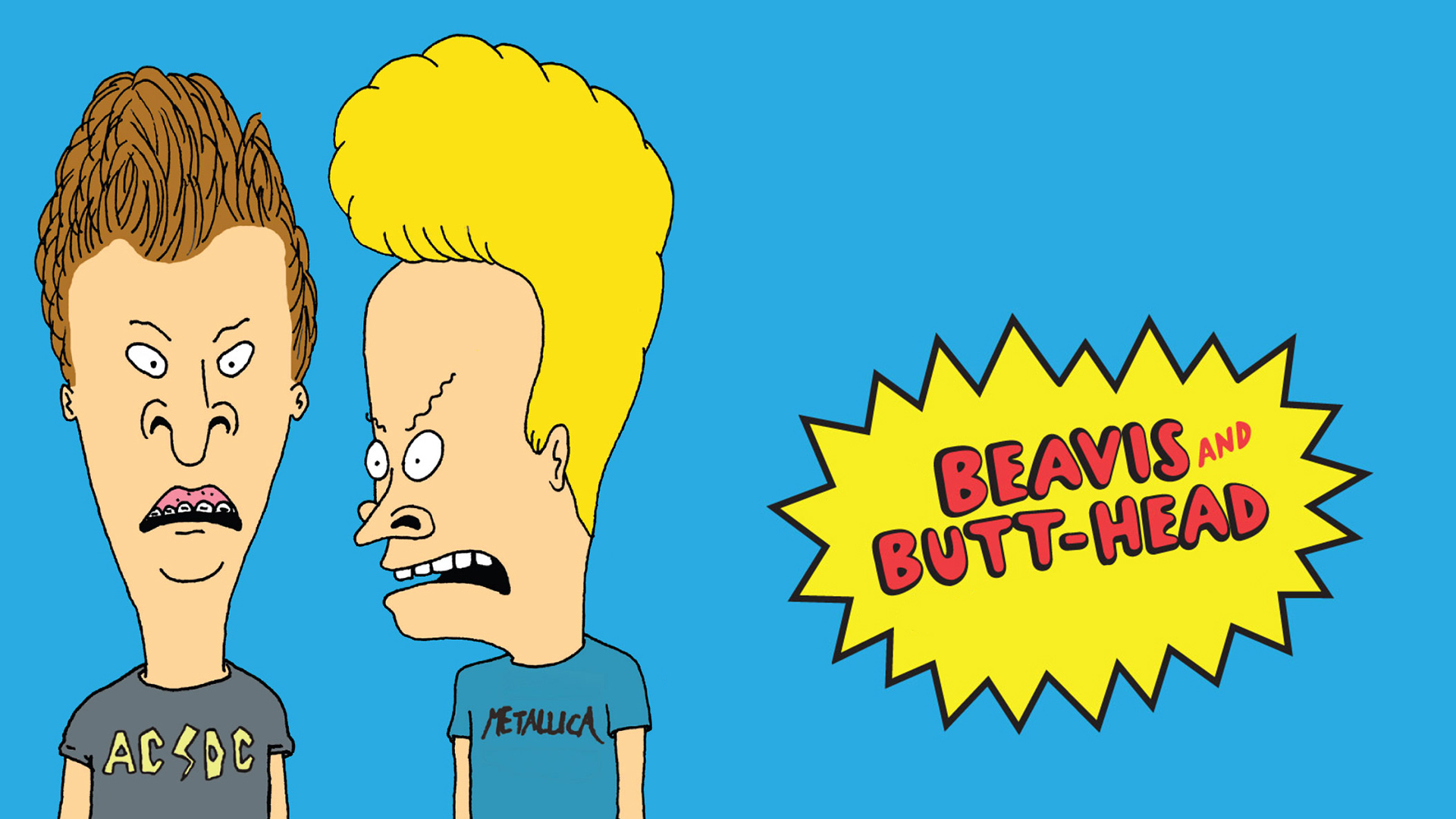
The animated characters Beavis and Butthead have been a staple of 90s television and continue to have a lasting influence on pop culture. Created by Mike Judge, these two teenage boys have become synonymous with their crude humor, laziness, and lack of maturity. But beyond their outrageous antics, Beavis and Butthead might raise an interesting question from a psychological standpoint: if these characters were real people, what would a therapist diagnose them with?
In this blog post, we’ll take a deep dive into the possible mental health conditions that could be associated with the behaviors and actions of Beavis and Butthead. From attention deficits to personality disorders, let’s explore how a therapist might view these two characters from a clinical perspective.
Understanding Beavis and Butthead
Before diving into potential diagnoses, it’s important to understand the unique personalities of Beavis and Butthead. These two characters are high school students who live in a fictional town. While they might seem like average teenage boys at first, their bizarre behavior and lack of social awareness set them apart. Their main activities include watching music videos, making crude comments, and getting into various misadventures. They are not particularly good students, often getting into trouble due to their lack of impulse control and inability to engage in productive tasks.
Beavis, with his wild energy and obsessive tendencies, is often seen as the more volatile of the two. He is prone to outbursts, particularly when triggered by anger or frustration. Butthead, on the other hand, is more laid-back but also exhibits significant social awkwardness and a lack of empathy.
Possible Diagnoses for Beavis and Butthead
Given the behaviors exhibited by Beavis and Butthead, there are several psychological conditions that a therapist might consider when diagnosing these characters. Below, we’ll break down the most likely mental health diagnoses based on their behavior patterns.
1. Attention-Deficit/Hyperactivity Disorder (ADHD)
One of the most obvious potential diagnoses for Beavis and Butthead is Attention-Deficit/Hyperactivity Disorder, commonly known as ADHD. This disorder is characterized by a range of symptoms, including impulsivity, hyperactivity, and inattention. Individuals with ADHD often struggle to stay focused, control their impulses, and regulate their energy levels.
-
Beavis exhibits many symptoms of ADHD, particularly hyperactivity and impulsivity. He is constantly moving, speaking out of turn, and is easily distracted. For example, Beavis often gets fixated on trivial things, like his obsession with fire, and acts impulsively without thinking about the consequences. His frequent outbursts, such as his uncontrollable laughter or inappropriate comments, could be indicative of hyperactivity and impulsivity commonly associated with ADHD.
-
Butthead, though less energetic, also displays signs of inattention and a lack of focus. While he is more laid-back than Beavis, he still exhibits a tendency to ignore authority figures and engage in disruptive behavior without considering the long-term impact. Both characters struggle with following through on tasks, as seen in their constant laziness and lack of responsibility.
In a clinical setting, a therapist might diagnose Beavis and Butthead with ADHD due to their impulsive and hyperactive tendencies, as well as their inability to focus on important tasks.
2. Conduct Disorder
Conduct Disorder is another condition that could apply to Beavis and Butthead. This disorder is typically diagnosed in children or adolescents and is characterized by aggressive behavior, a disregard for social norms, and a lack of empathy toward others. Individuals with Conduct Disorder often engage in behaviors such as lying, stealing, vandalism, and physical aggression.
-
Beavis frequently displays aggressive tendencies, whether it’s through his unpredictable outbursts or physical confrontations with others. He has a tendency to react impulsively when angered, often leading to violent or destructive behavior. For instance, in one episode, Beavis and Butthead destroy a classroom as a result of their reckless actions. These signs of aggression and disregard for authority are hallmarks of Conduct Disorder.
-
Butthead, though less outwardly aggressive than Beavis, still engages in antisocial behavior. His lack of empathy and tendency to belittle others, especially Beavis, suggests a lack of concern for social norms or the feelings of others. His constant mocking and bullying of Beavis could indicate underlying antisocial tendencies, which is a common feature of Conduct Disorder.
Given their disrespect for authority, disregard for rules, and tendency to engage in disruptive behavior, a therapist might diagnose Beavis and Butthead with Conduct Disorder.
3. Narcissistic Personality Disorder (NPD)
While Beavis and Butthead are far from typical examples of narcissism, elements of Narcissistic Personality Disorder (NPD) can be seen in their behavior, particularly in their self-centered attitudes and need for validation. NPD is a personality disorder characterized by an inflated sense of self-importance, a lack of empathy, and a constant need for admiration.
-
Beavis often exhibits a grandiose sense of self, believing that he is destined for greatness despite his lack of skills or achievements. He frequently engages in self-aggrandizing behavior, like believing he’s a “cool” and “important” individual, even though he’s largely inept and socially awkward. His tendency to seek attention and approval, often in inappropriate ways, suggests a possible narcissistic tendency.
-
Butthead, while more relaxed than Beavis, also displays elements of narcissism. He has a tendency to belittle others, particularly Beavis, to boost his own self-esteem. He often laughs at Beavis’s misfortune or fails to show empathy when his friend is upset, which could be seen as an indication of a lack of concern for others’ feelings—a key symptom of NPD.
While neither character fully fits the clinical description of NPD, certain narcissistic traits, such as a lack of empathy and a desire for admiration, are evident. A therapist might suggest that both Beavis and Butthead display some traits of Narcissistic Personality Disorder.
4. Oppositional Defiant Disorder (ODD)
Oppositional Defiant Disorder (ODD) is a behavioral disorder characterized by a pattern of defiant, hostile, and disobedient behavior toward authority figures. Children or adolescents with ODD often refuse to comply with rules and exhibit irritability, temper tantrums, and verbal aggression.
-
Beavis frequently challenges authority figures, from teachers to parents, with little regard for the rules. His behavior often includes arguing, defying orders, and throwing tantrums when he doesn’t get his way. His unpredictable temper and constant opposition to authority are consistent with the symptoms of ODD.
-
Butthead also displays signs of oppositional behavior, though his defiance is often more passive. He routinely mocks and disrespects others, especially adults and authority figures. His reluctance to engage in schoolwork or follow instructions further indicates a tendency toward oppositional behavior.
Therapists would likely recognize the pattern of oppositional behavior in both Beavis and Butthead, making ODD another potential diagnosis for the duo.
Conclusion
If Beavis and Butthead were real individuals seeking therapy, a mental health professional might arrive at several possible diagnoses based on their behavior patterns. From ADHD to Conduct Disorder, there are multiple psychological conditions that could explain the impulsive, disruptive, and often antisocial behaviors exhibited by the two characters. While Beavis and Butthead are intentionally exaggerated for comedic effect, their behavior reflects a mixture of psychological traits that can be observed in real-life individuals struggling with various mental health issues.
Ultimately, the portrayal of Beavis and Butthead as characters who defy societal norms and embrace their flaws might offer a unique opportunity for humor, but it also serves as a reminder of the importance of understanding mental health and the complexities of human behavior. So, while they might be more concerned with causing chaos than seeking therapy, it’s fun to consider how a therapist would view their behaviors if they ever did seek help.
Know More: